The Impact of Coffee on Fat Burning During Exercise
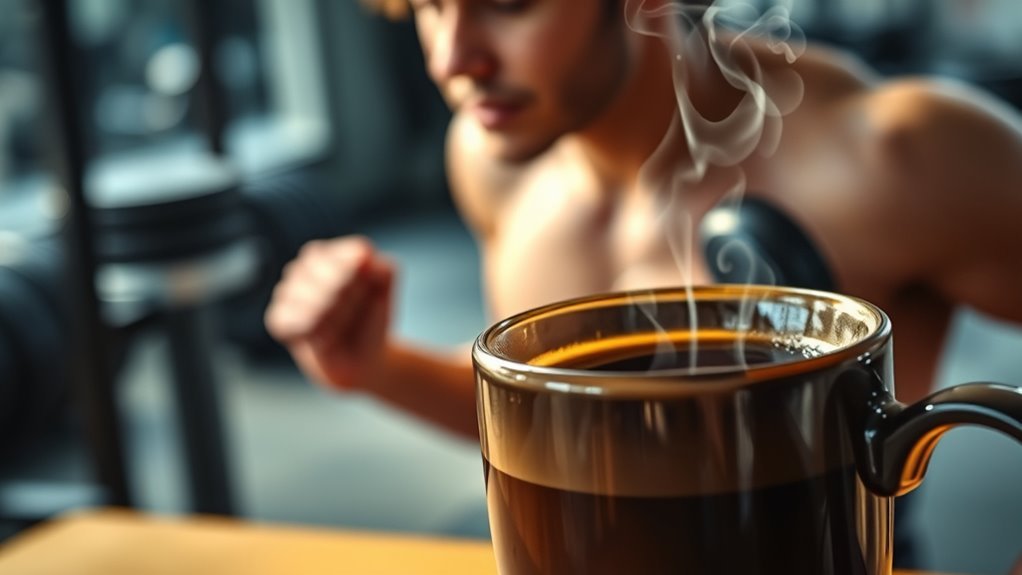
Coffee notably impacts fat burning during exercise by boosting your metabolism and enhancing fat oxidation. When consumed 30 to 60 minutes before a workout, caffeine signals your body to use fat as fuel, improving endurance and reducing perceived exertion. However, it’s crucial to stay mindful of your caffeine tolerance and hydration due to its diuretic effects. Moderation is key for maximizing benefits while minimizing risks. Discover further insights on optimizing your coffee intake for even better results.
Understanding Caffeine and Its Role in Fat Metabolism
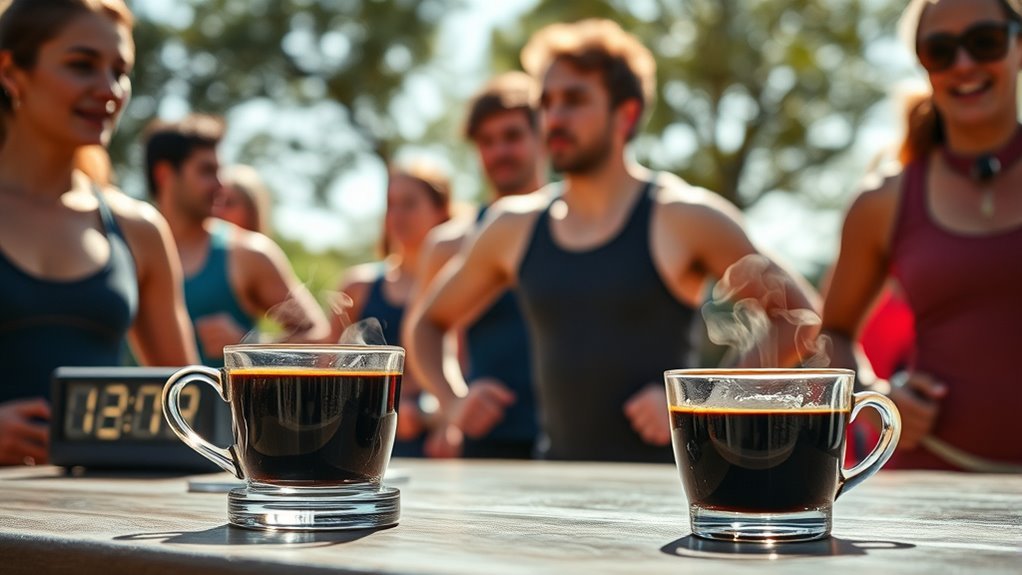
While many people enjoy a cup of coffee to kickstart their day, it’s important to understand how caffeine can influence fat metabolism during exercise. Caffeine absorption occurs quickly, typically within 30 to 60 minutes after consumption. Once in your system, it activates metabolic pathways that enhance fat oxidation, allowing your body to utilize fat as a fuel source more effectively. This can be particularly beneficial during prolonged, moderate-intensity workouts. By stimulating the release of fatty acids from fat tissues, caffeine encourages your body to tap into its fat reserves. Understanding these mechanisms can help you make informed choices about caffeine intake, optimizing your workout routines and maximizing fat burning potential. So, consider how your morning coffee can play a role in your fitness journey.
How Coffee Enhances Physical Performance
When you consume coffee before a workout, you can experience increased endurance levels and enhanced fat oxidation. Research shows that caffeine boosts your performance by reducing perceived exertion, allowing you to push harder for longer. This means that not only can you train more effectively, but you may also tap into fat stores more efficiently during exercise.
Increased Endurance Levels
As you lace up your sneakers for a workout, consider that coffee might be the secret ingredient to boosting your endurance. Studies show that caffeine can enhance your physical performance by increasing stamina and reducing perceived effort. This means you’ll feel more energized during those long runs or intense gym sessions. To maximize these benefits, pair your coffee with effective hydration strategies. Staying well-hydrated is essential, as caffeine can have a diuretic effect. To enjoy the most from your coffee, focus on ideal brewing methods that extract the right flavors without excess acidity. Whether you prefer a rich espresso or a smooth cold brew, coffee can be your ally in achieving greater endurance and enjoying a liberating workout experience.
Enhanced Fat Oxidation
Building on the endurance-boosting effects of coffee, it also plays a significant role in enhancing fat oxidation during exercise. When you consume coffee before a workout, the caffeine it contains stimulates the release of fatty acids from fat stores, promoting their use as fuel. This means that during your exercise sessions, your body becomes more efficient at burning fat, potentially allowing for longer workouts without relying solely on carbohydrates. Research indicates that coffee consumption can increase fat oxidation rates, especially during moderate-intensity activities. By incorporating coffee into your routine, you’re not just boosting endurance; you’re also optimizing your body’s fat-burning capabilities, providing you with the freedom to push your limits while enhancing overall performance.
The Science Behind Caffeine’s Fat Oxidation Effects
Caffeine’s role in fat oxidation during exercise is backed by a wealth of scientific research. When you consume caffeine, it binds to caffeine receptors in your body, signaling your metabolism to ramp up. This process enhances fat oxidation, which means your body becomes more efficient at using fat as a fuel source during workouts. Studies show that caffeine can increase the mobilization of fatty acids from fat tissue, making them readily available for energy. This means that not only can you potentially burn more fat while exercising, but you may also experience improved endurance. Understanding how caffeine influences fat oxidation allows you to harness its benefits effectively, empowering you to reach your fitness goals with greater freedom and efficiency.
Timing Your Coffee Intake for Optimal Results
To maximize the fat-burning benefits of coffee during exercise, timing your intake is essential. Consuming coffee about 30 minutes before your workout can enhance performance and fat oxidation, while post-workout consumption can aid recovery. However, individual metabolism differences may influence how effectively caffeine works for you, so it’s important to experiment with timing.
Pre-Workout Coffee Benefits
While many fitness enthusiasts swear by their pre-workout coffee, timing your intake can greatly enhance its benefits for fat burning during exercise. Aim to consume your coffee about 30 to 60 minutes before your workout. This timing allows the caffeine to reach peak levels in your bloodstream, maximizing its fat-burning potential. Incorporating coffee into your pre-workout rituals not only boosts energy but also improves focus and performance. For effective coffee preparation, consider a strong brew or an espresso to guarantee you’re getting enough caffeine. Remember, hydration is key, so balance your coffee intake with water. By fine-tuning when you enjoy your coffee, you can unleash its full potential and elevate your workout experience.
Post-Workout Recovery Timing
After you finish your workout, timing your coffee intake can greatly impact your recovery and fat-burning processes. Consuming coffee within 30 minutes post-exercise can enhance post workout nutrition by promoting glycogen replenishment and improving muscle repair. Caffeine has been shown to stimulate protein synthesis, making it a valuable addition to your recovery strategies. It can also help reduce muscle soreness and fatigue, allowing you to get back to your routine quicker. For ideal results, pair your coffee with a balanced meal or snack rich in protein and carbohydrates. This combination not only fuels your body but also maximizes the benefits of caffeine, helping you achieve your fitness goals while enjoying the freedom coffee brings to your recovery journey.
Individual Metabolism Variations
Understanding your individual metabolism is essential for optimizing coffee intake around your workouts. Everyone’s personal metabolism varies due to genetic factors, influencing how caffeine affects fat burning. If you metabolize caffeine quickly, sipping coffee about 30 minutes before exercise may enhance your performance and fat oxidation. Conversely, if you metabolize it slowly, you might benefit more from consuming coffee an hour prior to get the most out of its effects. Pay attention to how your body responds and adjust your timing accordingly. This personalized approach not only helps maximize fat burning but also keeps your energy levels steady, allowing you the freedom to enjoy workouts without the jitters. Tailoring your coffee intake can lead to improved results based on your unique metabolic profile.
The Impact of Coffee on Endurance and High-Intensity Workouts
When you’re gearing up for endurance or high-intensity workouts, coffee can be a game changer. Research shows that caffeine enhances performance by increasing endurance and reducing perceived effort during exercise. For those engaged in endurance training, coffee can help you sustain longer sessions, allowing you to push through fatigue. In high-intensity workouts, caffeine boosts your energy and power output, making those tough intervals feel more manageable. Just one to two cups about 30 minutes before your session can optimize your performance. Remember, the key is timing and moderation—too much can lead to jitters instead of gains. So, embrace that cup of coffee and enjoy the extra edge it can provide in your workouts!
Potential Risks and Side Effects of Caffeine Consumption
While coffee can enhance your workout performance, it’s important to be aware of the potential risks and side effects associated with caffeine consumption. Regular intake may lead to caffeine addiction, where your body becomes reliant on it for energy. If you suddenly cut back, you might experience withdrawal symptoms like headaches, fatigue, and irritability, which can interfere with your training routine. Additionally, excessive caffeine can cause anxiety, increased heart rate, and digestive issues. It’s essential to find a balance that maximizes your performance without pushing you into dependency. Moderation is key, so listen to your body and adjust your caffeine consumption accordingly to maintain your freedom and well-being during workouts.
Individual Variability in Caffeine Response
Caffeine affects everyone differently, and individual variability in response can greatly influence how it impacts your exercise performance. One key factor is caffeine sensitivity, which varies from person to person. Some folks may feel energized and focused, while others might experience jitters or anxiety. Genetic factors play a significant role in determining your sensitivity; certain genes affect how quickly your body metabolizes caffeine. If you’re genetically predisposed to be a fast metabolizer, you might benefit more from caffeine’s fat-burning properties during workouts. Conversely, if you’re a slow metabolizer, you could feel adverse effects that hinder your performance. Understanding your own response can help you tailor your caffeine intake for best results in your fitness journey.
Alternative Sources of Caffeine for Athletes
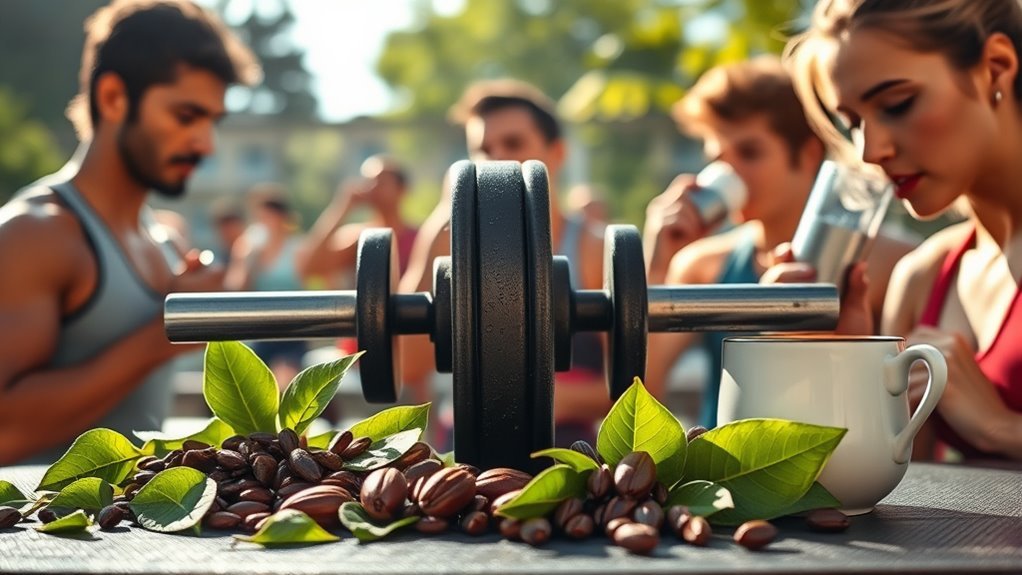
Although many athletes rely on traditional coffee for their caffeine boost, there are several alternative sources that can provide similar benefits without the jitters or gastrointestinal discomfort some experience. Here are some options to evaluate:
Many athletes seek caffeine alternatives to coffee, finding options that offer energy without jitters or discomfort.
- Yerba mate: A traditional South American drink packed with antioxidants.
- Matcha tea: Offers a sustained energy release and is rich in L-theanine.
- Guarana seeds: A natural source of caffeine that can enhance endurance.
- Caffeine gels: Convenient and easy to carry, perfect for long workouts.
- Pre workout supplements: Formulated to maximize energy and performance.
Exploring these tea alternatives, energy drinks, and caffeine pills can empower you to find what works best for your body, giving you the freedom to train effectively while minimizing side effects.
Practical Tips for Incorporating Coffee Into Your Fitness Routine
To effectively incorporate coffee into your fitness routine, timing and dosage are key. Aim to consume coffee about 30-60 minutes before your workout to maximize its fat-burning benefits. Experiment with different coffee types—espresso, cold brew, or traditional drip—to find what energizes you best. Each brewing method can offer unique flavors and caffeine levels, so try them out to see which suits your palate and performance. Start with a moderate dose of around 3-6 mg of caffeine per kilogram of body weight, adjusting based on your tolerance. Remember to stay hydrated, as coffee can be dehydrating. Pair your coffee with a balanced pre-workout snack to fuel your workout effectively and enjoy the freedom of enhanced energy and focus.
Frequently Asked Questions
Can Coffee Help With Weight Loss Outside of Exercise?
Yes, coffee can aid in weight loss outside of exercise. It’s known to boost metabolism, helping your body burn calories more efficiently. Additionally, coffee acts as an appetite suppressant, which can help you eat less throughout the day. When you incorporate it into your routine, you might find it’s easier to manage cravings and stick to your weight loss goals. Just remember to enjoy it in moderation to avoid potential downsides.
Does Decaffeinated Coffee Offer Similar Fat-Burning Benefits?
When considering decaf benefits, it’s essential to note that decaffeinated coffee doesn’t provide the same stimulating effects as regular coffee. Caffeine comparison shows that while decaf may have some health perks, its impact on fat burning isn’t as pronounced. However, it can still offer antioxidants and hydration, making it a good choice if you’re sensitive to caffeine. Ultimately, both types can be part of a balanced approach to health and wellness.
How Much Coffee Is Too Much for Fat Burning?
Think of coffee as a double-edged sword—too little won’t spark your potential, while too much could dull your edge. The ideal dosage for fat burning typically falls around 3 to 6 milligrams of caffeine per kilogram of body weight. However, individual caffeine sensitivity plays a significant role; some folks might feel jittery with less. Listen to your body, and find that sweet spot to harness coffee’s benefits without overdoing it.
Are There Specific Types of Coffee That Are Better for Fat Loss?
When it comes to coffee types for fat loss, espresso strength might be your best bet. Espresso packs a concentrated dose of caffeine, which can boost metabolism. Black coffee, without added sugars or creams, also keeps calories low. Cold brew offers a smoother taste and may have slightly less acidity, making it easier on your stomach. Experiment with these options, but remember, moderation’s key to reaping the benefits while enjoying your coffee freedom!
Can Combining Coffee With Other Supplements Enhance Fat Burning?
Imagine your body as a finely tuned orchestra, ready to create a symphony of fat burning. When you combine coffee with other supplements, you might just discover a harmonious supplement synergy. Timing the dosage right—like a conductor cueing each section—can enhance the effects. Research suggests that caffeine paired with certain ingredients, like L-carnitine or green tea extract, can amplify fat loss. So, experiment wisely and enjoy the freedom of finding what works best for you!