
The Future of Coffee and Athletic Enhancement
The future of coffee in athletic enhancement looks promising. With advancements in brewing methods and personalized blends, coffee can become a tailored performance booster. Caffeine aids endurance and focus, while timing your consumption maximizes benefits during workouts. Innovations like cold brew provide smoother hydration and sustained energy. By understanding your unique response to caffeine, you can optimize your athletic performance. There’s even more to discover about this dynamic relationship between coffee and athletics.
The Science Behind Coffee and Performance
When you sip your morning coffee, you might not realize just how much it can influence your athletic performance. The caffeine in coffee acts as a stimulant, enhancing your coffee metabolism, which can lead to improved focus and energy levels during workouts. Research shows that caffeine can increase the release of adrenaline, making your body more efficient at utilizing fat stores for fuel. However, it’s crucial to evaluate your caffeine tolerance; regular consumption might diminish its effects over time. To maximize benefits, experiment with timing and dosage, keeping in mind that everyone responds differently. By understanding how coffee impacts your body, you can strategically harness its potential to elevate your performance and embrace your freedom in pursuing athletic excellence.
Caffeine: The Key Component for Endurance
Caffeine plays an essential role in enhancing endurance by stimulating the central nervous system and reducing perceived effort during exercise. Understanding its physiological effects can help you optimize your performance. It’s important to know the right dosage to achieve the best results without negative side effects.
Caffeine’s Physiological Effects
While many athletes seek various methods to enhance their performance, caffeine stands out as a scientifically validated tool for boosting endurance. It enhances caffeine metabolism, leading to quicker energy release and improved stamina. Physiological adaptations, like increased fat oxidation and reduced perception of effort, make it a favored choice among endurance athletes.
| Effect | Description |
|---|---|
| Increased Fat Oxidation | Caffeine promotes fat utilization. |
| Improved Focus | Enhances mental clarity and alertness. |
| Reduced Perceived Effort | Makes strenuous activities feel easier. |
These effects can transform your workouts, enabling you to push through barriers. By understanding these physiological adaptations, you can harness caffeine’s potential for enhanced performance.
Optimal Dosage for Performance
To achieve ideal performance, understanding the right dosage of caffeine is vital for athletes aiming to enhance their endurance. Research suggests that a dosage of 3 to 6 mg per kilogram of body weight is effective for most individuals. However, individual variability plays a significant role; factors such as genetics, tolerance, and training level can affect how caffeine impacts you. It’s important to experiment with your intake before an event to find what works best. Start with lower doses to assess your response, then gradually increase as needed. Remember, while caffeine can boost performance, too much can lead to jitters or decreased focus. Tailoring your dosage based on personal experience will help reveal your full athletic potential.
Enhancing Focus and Mental Clarity With Coffee
As you sip your morning coffee, you might be unknowingly releasing enhanced focus and mental clarity, thanks to its active compounds. Caffeine, the main ingredient, blocks adenosine, a neurotransmitter that promotes sleepiness, allowing you to stay alert. This boost in alertness enhances your ability to employ various focus techniques, helping you tackle tasks with greater efficiency. Research shows that coffee can improve mental endurance, making it easier to sustain concentration during prolonged activities. By incorporating coffee into your routine, you’re not just waking up; you’re equipping your mind with the tools to excel. So, whether you’re studying, working, or training, consider coffee as a powerful ally in enhancing your cognitive performance and maintaining that sought-after mental clarity.
Coffee Consumption Timing: When Is It Most Effective?
Understanding when to consume coffee can greatly impact your athletic performance and recovery. Research shows that drinking coffee pre-workout can enhance your endurance and focus, while post-exercise consumption may aid in muscle recovery. Timing your coffee intake effectively can help you make the most of its benefits during your training sessions.
Pre-Workout Benefits
When considering how to maximize your workout performance, the timing of coffee consumption can play a crucial role in enhancing its benefits. For best results, aim to drink coffee about 30 to 60 minutes before your workout. This allows caffeine to peak in your bloodstream, boosting energy, focus, and endurance. Integrating coffee into your pre-workout rituals can elevate your routine, making each session feel more invigorating. However, if you’re sensitive to caffeine or seeking alternatives, consider options like green tea or matcha, which also provide performance-enhancing effects. Experiment with different timings and alternatives to find what works best for you, granting you the freedom to personalize your approach to fitness.
Post-Exercise Recovery
While many athletes focus on pre-workout nutrition, post-exercise recovery is equally important, and coffee can play a significant role in this process. Consuming coffee after your workout can enhance your recovery strategies by reducing muscle soreness and promoting glycogen replenishment. The caffeine in coffee helps improve your body’s ability to absorb carbohydrates, essential for refueling your energy stores. However, don’t forget the hydration importance—pairing coffee with water can prevent dehydration, which is critical for ideal recovery. Aim to drink coffee within 30 minutes post-exercise to maximize its benefits. By incorporating coffee into your recovery routine, you’re not just enjoying a comforting beverage; you’re also supporting your body’s healing process and preparing for your next workout.
Timing for Endurance
Maximizing your endurance during workouts often hinges on timing your coffee consumption effectively. To achieve endurance optimization, consider consuming coffee about 30 to 60 minutes before your workout. This timing strategy allows caffeine to reach peak levels in your bloodstream, enhancing focus and stamina when you need it most. Research shows that caffeine can improve endurance performance by reducing perceived exertion and increasing time to exhaustion. If you’re tackling longer sessions, a small caffeine boost halfway through can also be beneficial. Experimenting with these timing strategies can help you find what works best for your body, empowering you to push your limits and enjoy the freedom of enhanced performance. So, get your timing right and let coffee fuel your endurance!
The Role of Coffee in Recovery and Muscle Repair
Although many people associate coffee primarily with energy and alertness, its potential role in recovery and muscle repair is gaining attention among athletes and fitness enthusiasts. Here’s how coffee can support your recovery:
- Antioxidant Properties: Coffee’s rich antioxidant compounds help reduce inflammation and oxidative stress after workouts.
- Muscle Glycogen Replenishment: Consuming coffee with carbohydrates can enhance glycogen storage, essential for recovery.
- Pain Relief: Caffeine may alleviate muscle soreness, enabling you to bounce back quicker.
- Hydration Balance: While coffee is a diuretic, moderate consumption can fit within your hydration needs, especially when paired with water.
Exploring Different Coffee Varieties for Athletes
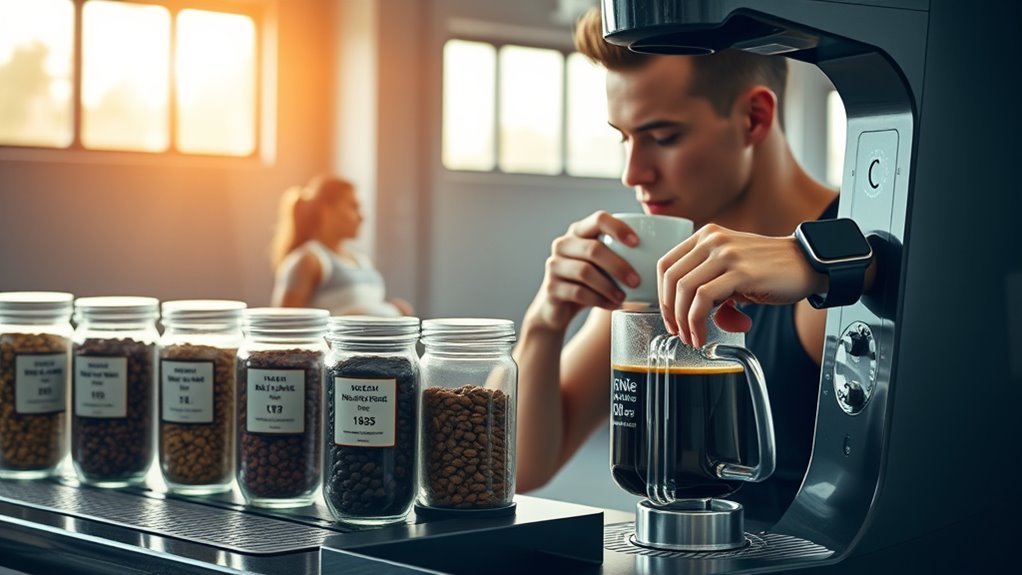
After understanding how coffee can aid in recovery and muscle repair, it’s important to explore the different varieties of coffee that can benefit athletes. Specialty blends, crafted from high-quality beans, often offer unique flavor profiles and enhanced health benefits. These blends can provide varying caffeine levels, enabling you to tailor your intake based on your training intensity. Cold brew, on the other hand, is less acidic and often smoother, making it an excellent choice for hydration during workouts. With its gradual caffeine release, cold brew can help sustain endurance. By experimenting with these coffee varieties, you can discover what best fuels your performance and enhances your training routine, giving you the freedom to optimize your athletic experience.
Future Trends: Innovations in Coffee for Sports Performance
As the demand for performance-enhancing beverages grows, innovations in coffee tailored specifically for athletes are on the rise. Here’s what to watch for:
- Sustainable sourcing: Expect brands focusing on ethically sourced beans, ensuring environmental responsibility while enhancing your performance.
- Coffee technology: Innovations in brewing and extraction methods could maximize caffeine’s benefits, providing you with a cleaner energy boost.
- Functional additives: Look for blends that incorporate adaptogens or electrolytes, designed to support recovery and hydration.
- Personalization options: Companies may offer custom blends or dosage recommendations, catering to your unique athletic needs.
These trends reflect a shift towards healthier, more effective coffee options, allowing you to harness your potential while enjoying your favorite beverage.
Frequently Asked Questions
Can Coffee Improve Performance in Non-Endurance Sports?
Yes, coffee can improve performance in non-endurance sports. Research shows that caffeine enhances strength training by increasing muscle power and improving reaction time, which is essential for activities like weightlifting or sprinting. By consuming coffee before a workout, you’re likely to experience heightened alertness and reduced perceived effort, making your training sessions more effective. Just be mindful of your caffeine tolerance to maximize benefits without overdoing it.
How Much Caffeine Is Safe for Athletes?
When it comes to how much caffeine’s safe for athletes, it really depends on individual tolerance and caffeine metabolism. Generally, consuming up to 3-6 mg per kilogram of body weight is considered safe and effective for performance enhancement. However, you should listen to your body and monitor how it reacts. Start with a lower dose to assess your tolerance, and adjust accordingly to find what works best for you.
Does Coffee Affect Hydration Levels During Exercise?
You might’ve heard hydration myths suggesting that coffee consumption dehydrates you during exercise. However, research shows that moderate coffee intake doesn’t greatly affect hydration levels. In fact, caffeine can enhance endurance and performance. While it’s essential to drink water alongside your coffee, you don’t need to worry too much about hydration when enjoying your favorite brew before or during workouts. Just listen to your body, and stay mindful of your overall fluid intake.
Are There Any Side Effects of Coffee for Athletes?
When considering the side effects of coffee for athletes, it’s important to note that individual responses can vary. You might experience increased heart rate or anxiety, especially if your caffeine tolerance is low. Additionally, coffee metabolism can differ among individuals, potentially impacting performance. Overconsumption may lead to dehydration or digestive issues. It’s vital to monitor how your body reacts and adjust your intake accordingly to maintain peak performance and well-being.
Can Coffee Be Addictive or Lead to Dependency?
Yes, coffee can be addictive due to its caffeine content. Over time, you might develop caffeine tolerance, meaning you’ll need more to get the same effects. If you suddenly cut back, withdrawal symptoms like headaches, fatigue, and irritability can occur. It’s important to monitor your intake and consider moderation. Knowing your limits can help you enjoy coffee without becoming reliant on it for energy or focus.