The Future of Coffee Equipment: Sustainability and Innovation
The future of coffee equipment is increasingly shaped by sustainability and innovation. Eco-friendly materials and energy-efficient brewing technologies are at the forefront, allowing you to enjoy coffee while minimizing your environmental footprint. Smart devices optimize brewing processes and enhance flavor, aligning with rising consumer demand for greener products. As brands commit to ethical sourcing and responsible practices, the coffee landscape is evolving. Discover how these trends will further influence your coffee experience and choices ahead.
The Rise of Eco-Friendly Coffee Materials
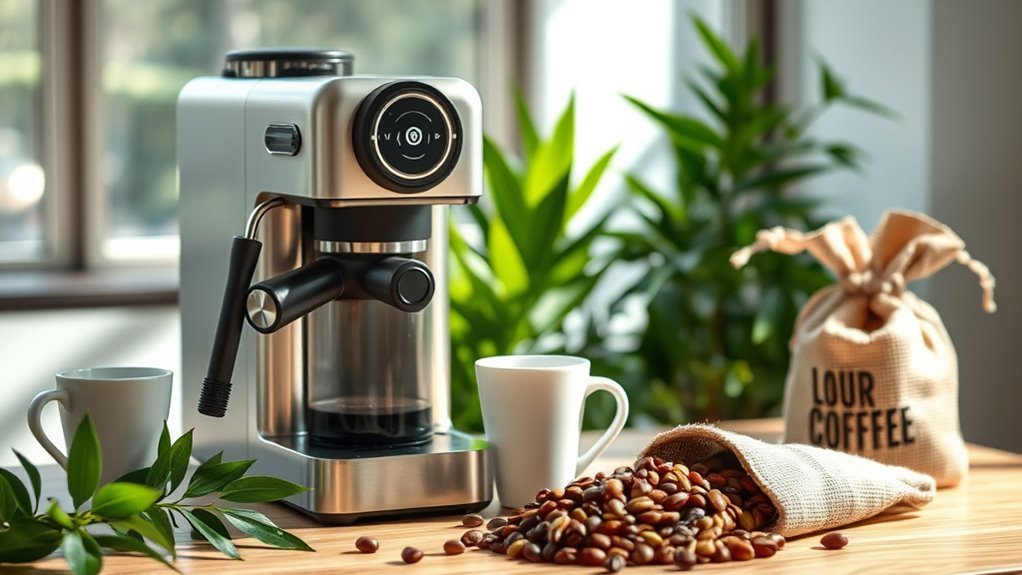
As consumers become increasingly aware of environmental issues, the coffee industry has seen a significant shift towards eco-friendly materials. You might’ve noticed how brands are prioritizing biodegradable materials and recycled components in their products. This change isn’t just a trend; it’s a response to your demand for sustainability. By choosing equipment made from these materials, you’re not only supporting a healthier planet but also embracing innovation that promotes longevity and reduces waste. Companies are rethinking their supply chains and designing products that align with your values of freedom and responsibility. The rise of eco-friendly coffee materials signals a broader movement towards a sustainable future, where your choices can lead to impactful change in the coffee industry and beyond.
Energy-Efficient Brewing Technologies
As you explore energy-efficient brewing technologies, consider how smart brewing devices can optimize resource use while enhancing your coffee experience. These innovations not only streamline the brewing process but also pave the way for integrating renewable energy sources into everyday coffee rituals. By embracing these advancements, you’re not just improving your brew; you’re contributing to a more sustainable coffee culture.
Smart Brewing Devices
While many coffee enthusiasts cherish the ritual of brewing, advancements in smart brewing devices are transforming this experience into an energy-efficient practice. These innovative machines offer smart features that allow you to optimize every cup according to your preferences. Imagine customizing brew strength, temperature, and even flavor profiles with just a few taps on your smartphone. This level of user customization empowers you to take full control of your coffee experience, reducing waste and energy usage. Smart brewing devices also often incorporate programmable settings that adapt to your routine, ensuring you enjoy your favorite brew without unnecessary energy consumption. As these technologies evolve, they promise not just convenience but a more sustainable approach to your daily coffee ritual.
Renewable Energy Sources
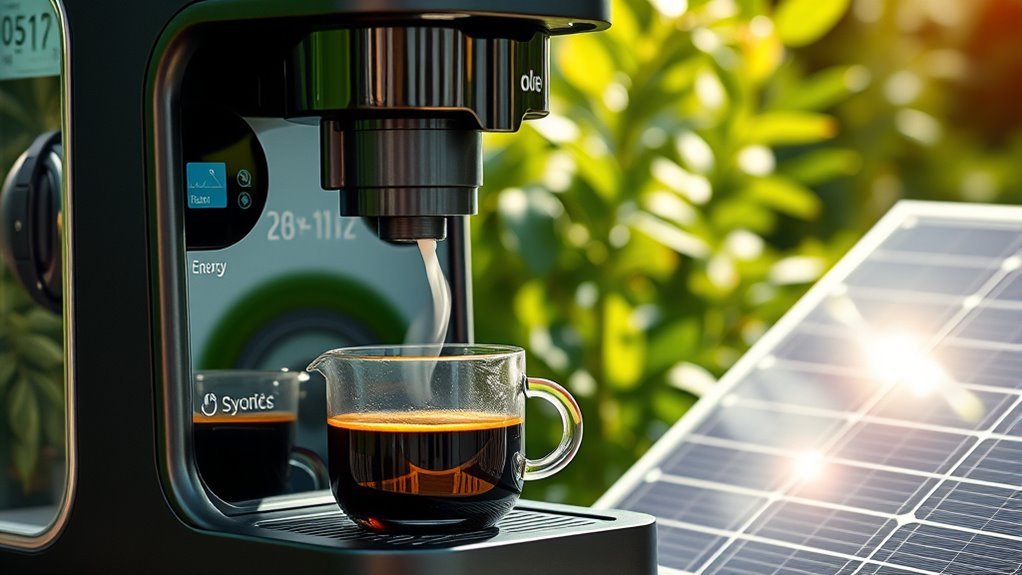
Incorporating renewable energy sources into brewing technologies is not just a trend; it’s a necessary shift towards sustainable coffee consumption. By utilizing solar power and wind energy, you can greatly reduce your carbon footprint while enjoying your favorite brew. Imagine brewing coffee with equipment that harnesses nature’s elements, promoting both innovation and environmental responsibility.
| Energy Source | Benefits |
|---|---|
| Solar Power | Lowers electricity costs |
| Wind Energy | Reduces reliance on fossil fuels |
| Solar Power | Sustainable long-term solution |
| Wind Energy | Generates clean energy |
| Solar Power | Enhances brand image |
As you embrace these advancements, you’ll enjoy not only a delicious cup of coffee but also the freedom of knowing you’re contributing to a greener planet.
Innovations in Coffee Waste Management
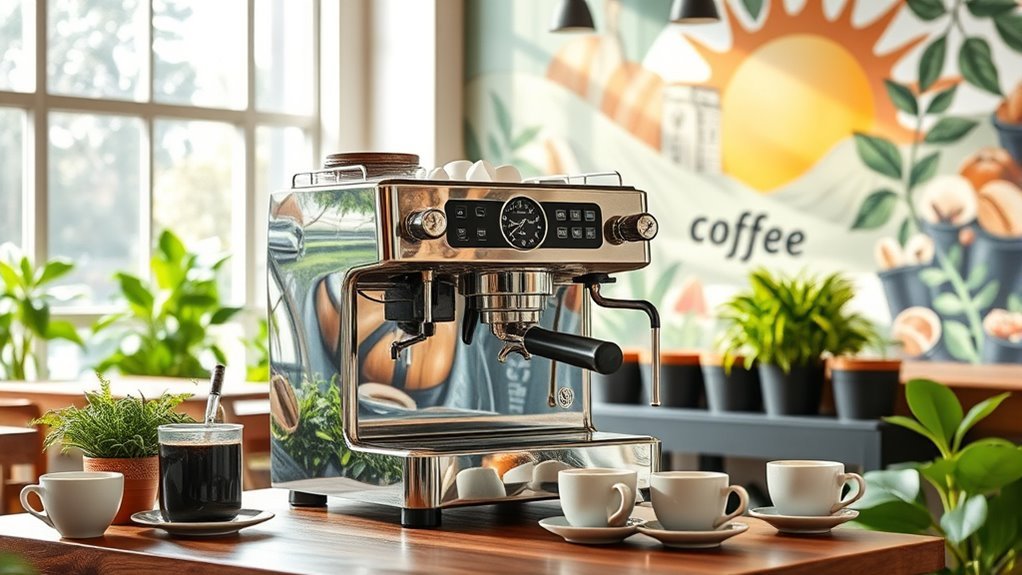
Although coffee has long been celebrated for its rich flavor and cultural significance, the environmental impact of coffee waste has prompted innovative solutions in waste management. You might be surprised to learn that coffee composting is gaining traction, transforming spent grounds into nutrient-rich soil amendments. This process not only reduces landfill contributions but also enriches local ecosystems. Additionally, waste recycling initiatives are emerging, turning coffee byproducts into biodegradable packaging or renewable energy sources. These innovations empower coffee lovers and producers alike to embrace sustainability, making a tangible difference in the industry. By adopting these practices, you can enjoy your morning brew with a lighter environmental footprint, fostering a culture of responsibility and freedom in coffee consumption.
Sustainable Sourcing Practices in Coffee Production
As consumers become increasingly aware of the environmental and social implications of their choices, sustainable sourcing practices in coffee production are emerging as a critical focus for the industry. Fair trade and organic farming are not just buzzwords; they represent a commitment to ethical supply chains that empower farmers. Direct trade models foster relationships between producers and roasters, ensuring community benefits and promoting climate resilience. Sustainable certifications act as a guide for consumers seeking responsible sourcing, while biodiversity preservation initiatives safeguard ecosystems. By prioritizing these practices, you contribute to a system that champions farmer empowerment and encourages a positive impact on communities. The future of coffee rests on our ability to embrace these sustainable approaches, ensuring a thriving industry for generations to come.
The Role of Smart Technology in Sustainable Brewing
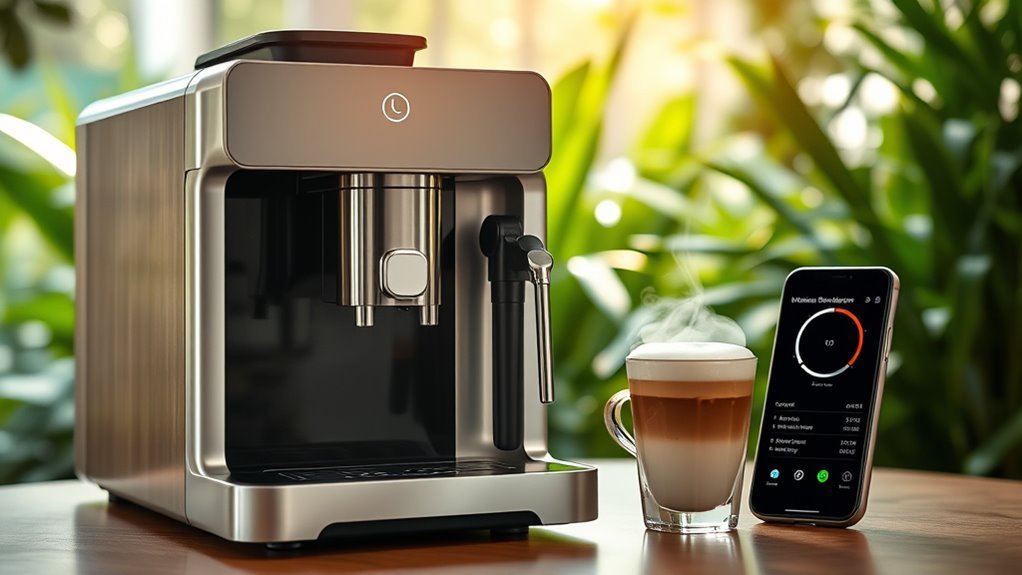
Smart technology is reshaping how you brew coffee, making it not only more efficient but also more sustainable. By utilizing energy-efficient brewing solutions, you’re reducing your environmental footprint while maintaining quality. Additionally, data-driven flavor optimization allows you to enhance your coffee experience while minimizing waste, showcasing how technology and sustainability can go hand in hand.
Energy-Efficient Brewing Solutions
While traditional brewing methods have their charm, the integration of smart technology into coffee equipment is revolutionizing energy-efficient brewing solutions. You’re now empowered to choose alternative brewing methods that not only enhance flavor but also optimize energy consumption. Smart devices allow you to monitor efficiency metrics in real-time, ensuring that every cup you brew is both sustainable and satisfying. Imagine a coffee maker that adjusts its temperature and brewing time based on your preferences, minimizing waste while maximizing taste. This level of customization aligns perfectly with a desire for autonomy in your coffee experience. As you embrace these innovations, you’re not just enjoying coffee; you’re contributing to a more sustainable future, making a conscious choice for both your palate and the planet.
Data-Driven Flavor Optimization
Though many coffee enthusiasts rely on intuition and tradition to craft their perfect brew, the advent of data-driven flavor enhancement is transforming how you experience coffee. By leveraging data analytics, you can refine your brewing processes to achieve consistent flavor profiling, allowing for a personalized cup every time. Smart technology monitors variables like temperature, grind size, and brewing time, enabling you to make informed adjustments for ideal taste.
| Variable | Impact on Flavor |
|---|---|
| Temperature | Affects extraction rate |
| Grind Size | Influences surface area |
| Brew Time | Determines strength |
| Water Quality | Alters taste perception |
With these insights, you’re not just brewing coffee; you’re crafting a masterpiece, sustainably and innovatively.
Consumer Trends Driving Sustainable Coffee Equipment
As consumers become increasingly aware of environmental issues, their preferences are driving a significant shift toward sustainable coffee equipment. You’re not just choosing a product; you’re voting for a future that values ethical consumption. Market demand for eco-conscious branding is on the rise, pushing brands to enhance their product lifecycle and adopt sustainable packaging. With greater brand transparency, you can now easily discern which companies prioritize environmental responsibility. Consumer education plays a crucial role, empowering you to make informed choices that align with your values. As you embrace these shifts, the coffee industry will continue adapting, ensuring that your freedom to choose sustainable options is met with innovative solutions that reflect your commitment to the planet.
Frequently Asked Questions
How Can Consumers Identify Sustainable Coffee Equipment Brands?
To identify sustainable coffee equipment brands, you should look for brand transparency in their sourcing and manufacturing practices. Research their commitments to eco-friendly materials and ethical labor. Consumer education is key; seek out reviews, certifications, or third-party assessments that highlight sustainability efforts. Engage with communities focused on sustainable coffee practices. By being informed and discerning, you empower yourself to choose brands that align with your values and contribute to a more sustainable future.
What Certifications Should I Look for in Eco-Friendly Coffee Products?
When you’re exploring eco-friendly coffee products, you should look for certification labels like Fair Trade, USDA Organic, and Rainforest Alliance. These standards guarantee that the products meet specific eco-friendly criteria, promoting sustainability. It’s fascinating how these certifications not only signify ethical practices but also align with your desire for freedom in making informed choices. By prioritizing these labels, you’re supporting a market that values both the environment and the communities involved in coffee production.
How Do I Properly Recycle Coffee Equipment?
When it comes to recycling coffee equipment, you should start by checking local recycling guidelines, as methods vary by location. For items like coffee makers, consider contacting manufacturers for proper disposal options. Many parts can be recycled, but others may need special handling. It’s also wise to explore donation or resale options if the equipment is still functional. Embracing these recycling methods not only reduces waste but also supports a more sustainable lifestyle.
Are There DIY Options for Sustainable Coffee Brewing?
If you’re looking for DIY options for sustainable coffee brewing, consider creating homemade brewers using repurposed materials. For instance, an old glass jar can become a clever pour-over setup with a filter. You could also fashion a French press using a mason jar and a mesh strainer. These methods not only reduce waste but also give you the freedom to experiment with different brewing styles, making your coffee experience uniquely yours.
What Is the Lifespan of Eco-Friendly Coffee Equipment?
When considering the lifespan of eco-friendly coffee equipment, you’ll find that products made from sustainable materials often last just as long, if not longer, than traditional options. Lifespan comparison reveals that eco-friendly materials, like bamboo or recycled plastics, can withstand wear and tear effectively. Investing in these alternatives not only supports a healthier planet but also grants you the freedom to enjoy your coffee without guilt, knowing you’re making a responsible choice.