
The Best Coffee for Vietnamese Coffee
If you want the best coffee for Vietnamese coffee, choose medium to dark roast beans that deliver bold, rich flavors with a smooth finish. Vietnamese Robusta beans offer intense bitterness and caffeine, while Arabica adds fruity complexity. Dark roasts perfectly complement the creamy sweetness of condensed milk. Grinding your beans evenly is key for the slow drip method. Picking quality, fresh beans from trusted brands elevates your brew. Keep exploring to uncover more tips for an authentic cup.
Understanding the Unique Flavor Profile of Vietnamese Coffee

Although you might be familiar with traditional coffee flavors, Vietnamese coffee offers a distinct taste experience that sets it apart. When you sip it, you’ll notice bold taste sensations—deep, rich, and slightly bitter, balanced by sweetened condensed milk’s creamy sweetness. This unique blend creates a harmonious contrast that awakens your palate and invites you to savor each sip slowly. Beyond flavor, Vietnamese coffee carries profound cultural significance. It’s more than just a drink; it’s a ritual that connects you to Vietnam’s vibrant history and social fabric. Enjoying this coffee means embracing a moment of freedom, where you can pause, reflect, and appreciate a tradition cherished by millions. Understanding these nuances deepens your appreciation for this exceptional coffee experience.
Characteristics of Ideal Coffee Beans for Vietnamese Brewing
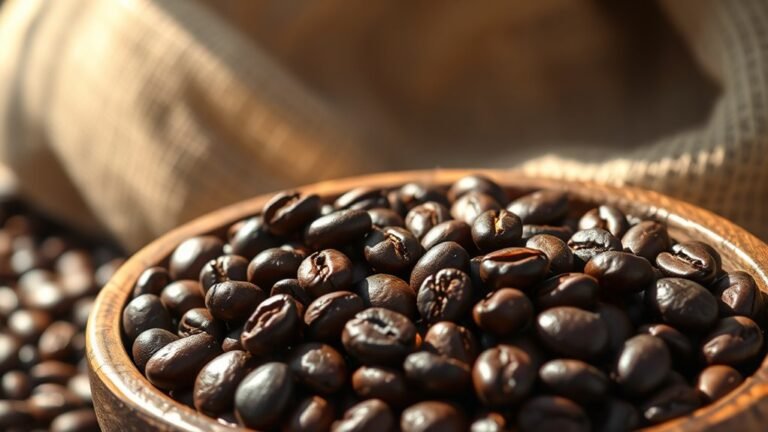
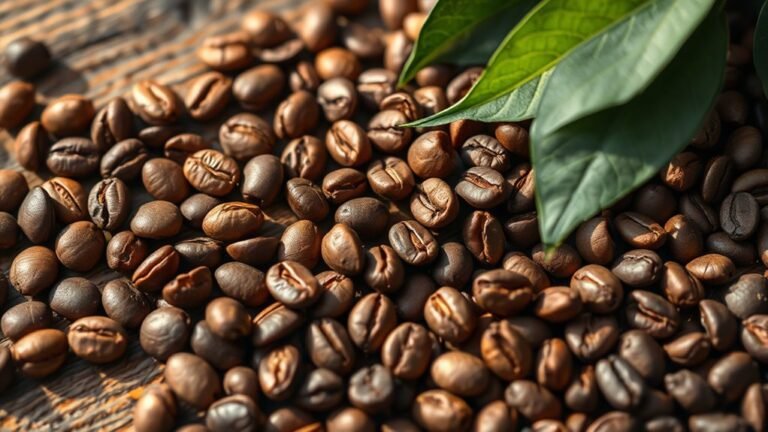
Choosing the right coffee beans is essential to capturing the authentic taste of Vietnamese coffee. You’ll want beans that balance boldness with smoothness, as traditional brewing techniques emphasize slow extraction and rich flavors. Typically, medium to dark roast beans work best, offering a robust profile that stands up to sweetened condensed milk. Bean origins also play a significant role; Vietnamese-grown Robusta beans bring intense bitterness and caffeine punch, while Arabica beans—often sourced from nearby regions—offer fruity and floral notes. Blending these origins can give you the freedom to tailor your brew’s complexity. When selecting beans, focus on freshness and roast date, ensuring your brewing techniques highlight their unique characteristics. This way, you’ll savor every sip of genuine Vietnamese coffee.
Top Vietnamese Coffee Brands to Try
Wondering which Vietnamese coffee brands truly capture the rich, bold flavors you’re after? Start with Trung Nguyen, a pioneer embracing Vietnamese traditions, offering robust blends that embody the country’s vibrant coffee culture. If you want something authentic yet approachable, try G7, famous for its instant coffee that doesn’t compromise on flavor or spirit. For a more artisanal experience, consider Highlands Coffee, blending modern style with classic Vietnamese roots, perfect for those who value freedom in taste exploration. Each brand reflects a unique facet of Vietnam’s coffee culture, letting you savor the depth and intensity that define Vietnamese coffee. Exploring these brands opens a gateway to understanding the rich coffee heritage while enjoying every cup your way.
Best Coffee Bean Roasts for Authentic Vietnamese Coffee

When making authentic Vietnamese coffee, you’ll want to go for a dark roast to capture that bold, smoky flavor traditional to the brew. Choosing between Arabica and Robusta beans is key—Robusta offers a stronger, more bitter taste with higher caffeine, while Arabica provides a smoother, sweeter profile. Understanding these roasts and bean types will help you create the perfect cup that stays true to Vietnamese coffee culture.
Dark Roast Preference
Though you might enjoy lighter roasts for some coffee styles, authentic Vietnamese coffee thrives on the deep, bold flavors that only a dark roast can deliver. When you choose a dark roast, you reveal:
- Dark roast benefits like reduced acidity, making your coffee smoother and easier on your stomach.
- Intense, robust flavor intensity that stands up perfectly to sweetened condensed milk.
- A rich, smoky aroma that defines the classic Vietnamese coffee experience.
- A fuller body that complements the traditional drip brewing method, ensuring every drop bursts with character.
Embracing a dark roast lets you savor the freedom of bold flavors while honoring the authentic Vietnamese coffee tradition. It’s not just coffee; it’s a bold expression of taste and culture.
Arabica vs. Robusta
Choosing the right roast is just part of capturing the true essence of Vietnamese coffee. When deciding between Arabica and Robusta beans, you’ll want to weigh their unique qualities carefully. Arabica benefits include a smoother, more nuanced flavor with hints of fruit and floral notes, giving your coffee a refined, less bitter profile. This makes it ideal if you crave a balanced cup that respects tradition but embraces subtlety. On the other hand, Robusta drawbacks include a harsher, more bitter taste and higher caffeine content, which can overpower the sweetened condensed milk typical in Vietnamese coffee. If you prefer a bold, intense kick, Robusta fits, but its rough edges might limit the freedom to savor every nuanced sip. Choose wisely to match your coffee adventure.
How to Choose Between Arabica and Robusta Beans

When choosing between Arabica and Robusta beans for your Vietnamese coffee, you’ll want to contemplate their distinct flavor profiles and caffeine levels. Arabica offers a smoother, more nuanced taste, while Robusta delivers a stronger, bolder kick with higher caffeine content. Understanding how each bean interacts with traditional brewing methods will help you craft the perfect cup.
Flavor Profiles Comparison
Understanding the distinct flavor profiles of Arabica and Robusta beans can help you pick the perfect coffee for your Vietnamese brew. Each offers unique flavor nuances shaped by regional variations, giving you freedom to tailor your cup.
- Arabica beans deliver a smooth, sweet taste with hints of fruit and floral notes, ideal if you enjoy subtle complexity.
- Robusta beans pack a stronger, earthier punch with a bold, slightly bitter edge, perfect for a robust, intense experience.
- Arabica tends to have lighter acidity, lending a cleaner finish to your coffee.
- Robusta’s deeper, richer profile complements traditional Vietnamese coffee’s sweetened condensed milk.
Caffeine Content Differences
Although both Arabica and Robusta beans make excellent Vietnamese coffee, they differ considerably in caffeine content, which can influence your choice depending on how much of a kick you want. Robusta beans pack nearly twice the caffeine of Arabica, offering a stronger, more intense boost. If you’re sensitive to caffeine, Arabica’s gentler profile might suit you better, providing a smoother experience without overstimulation. Keep in mind that caffeine extraction varies with brewing methods, but the inherent caffeine in Robusta generally results in a more potent cup. Choosing between these beans lets you tailor your coffee to fit your energy needs and caffeine sensitivity, giving you the freedom to enjoy Vietnamese coffee exactly how you like it—whether you crave a mellow sip or a bold jolt.
Brewing Compatibility Factors
Because Arabica and Robusta beans have distinct characteristics, choosing the right one depends on how you plan to brew your Vietnamese coffee. Different brewing methods and coffee ratios highlight unique flavors and strengths of each bean type. Here’s how to decide:
- Drip or Phin Filter: Arabica’s subtle, fruity notes shine with longer brewing times and balanced coffee ratios.
- Espresso-style: Robusta’s boldness and crema work well with quick extraction and higher coffee ratios.
- Sweetened Condensed Milk: Robusta’s bitterness complements the sweetness, creating a rich, balanced cup.
- Cold Brew or Iced Coffee: Arabica’s smoothness and acidity stand out with extended brewing and diluted coffee ratios.
Knowing these factors lets you freely tailor your Vietnamese coffee experience to your taste and brewing style.
Tips for Grinding Coffee Beans for Vietnamese Drip Brewing
When you grind coffee beans for Vietnamese drip brewing, the grind size plays an essential role in extracting the rich, bold flavors you’re after. Aim for a medium-coarse grind—finer than French press but coarser than espresso—to allow water to slowly seep through the grounds without rushing. Experiment with grinding techniques; a consistent grind guarantees even extraction, preventing bitterness or weak flavors. Using a burr grinder over a blade grinder gives you better control and uniformity, crucial for this slow drip method. Remember, your grind size affects brew time and taste balance, so adjust it to suit your drip’s flow rate. Mastering these grinding nuances gives you the freedom to craft authentic Vietnamese coffee that’s vibrant, smooth, and exactly how you like it.
Where to Buy Quality Coffee Beans for Vietnamese Coffee
Finding quality coffee beans for Vietnamese coffee can transform your brewing experience, so knowing where to look is key. You want beans that deliver rich, bold flavors and a smooth finish. Here’s where you can find them:
Discovering the right beans is essential for rich, bold Vietnamese coffee with a smooth finish.
- Local markets – Explore fresh, authentic beans often sourced directly from Vietnamese farmers.
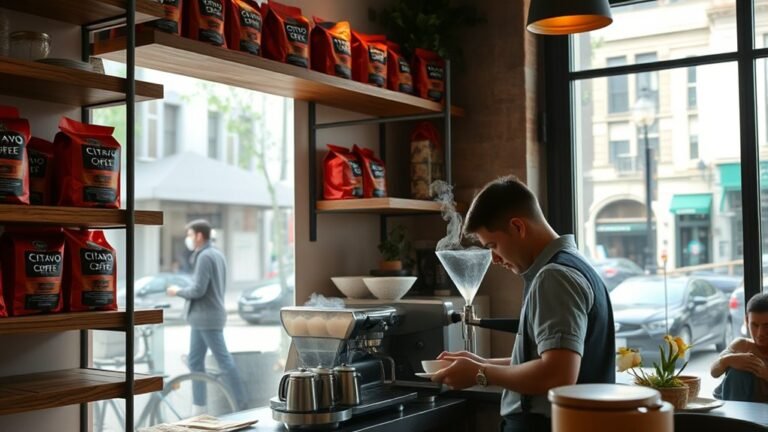
- Specialty coffee shops – They usually stock high-quality beans tailored for Vietnamese drip brewing.
- Online retailers – Convenient and diverse, offering a wide range of beans with detailed descriptions.
- Vietnamese grocery stores – A treasure trove for traditional blends and robust roasts perfect for cà phê sữa đá.
Frequently Asked Questions
Can I Use Instant Coffee for Vietnamese Coffee?
You can use instant coffee to make Vietnamese coffee, but keep in mind the flavor profile won’t be as rich or robust as with freshly ground beans. Instant coffee offers convenience and speed, perfect if you’re pressed for time or enjoy a simpler brew. While it lacks the traditional depth, you can still enjoy a sweet, creamy cup by adding condensed milk. It’s all about what freedom you want in your coffee ritual.
What Is the Traditional Sweetener Used in Vietnamese Coffee?
Did you know that over 60% of coffee lovers worldwide prefer sweetened coffee? When it comes to traditional sweeteners, Vietnamese coffee famously uses sweetened condensed milk. This rich, creamy addition perfectly balances the bold, robust coffee flavoring, creating a unique, indulgent taste experience. If you’re craving that authentic feel, don’t settle for anything less than this velvety, sweet enhancer that truly sets Vietnamese coffee apart.
How Do I Clean a Vietnamese Coffee Drip Filter?
To clean your Vietnamese coffee drip filter, start by disassembling it carefully. Use warm water and mild soap to wash each part, paying special attention to the filter materials like stainless steel or aluminum, which can trap coffee oils. Use a soft brush to gently scrub away residue without damaging the mesh. Rinse thoroughly to avoid soap tastes. Regular cleaning techniques keep your filter fresh and your brews flavorful, giving you the freedom to enjoy perfect coffee every time.
Can I Make Iced Vietnamese Coffee Without a Drip Filter?
Alternative brewing methods allow you to make iced Vietnamese coffee without a drip filter. You can use coffee substitutes like a French press, Aeropress, or even a strong espresso shot. Just brew strong coffee, mix it with sweetened condensed milk, and pour over ice for that iconic creamy contrast. This freedom to experiment means you’re not tied down—just tweak your technique and enjoy your chilled, rich Vietnamese-style coffee however you choose!
What Milk Alternatives Work Best for Vietnamese Coffee?
If you’re looking for milk alternatives that work best for Vietnamese coffee, almond milk and oat milk are great choices. Almond milk adds a nutty, slightly sweet flavor that complements the rich coffee, while oat milk offers a creamier texture that mimics traditional condensed milk. Both let you enjoy a dairy-free version without sacrificing the coffee’s signature smoothness and sweetness. Feel free to experiment and find your perfect balance!