automatic coffee maker advantages and disadvantages

The Pros and Cons of Automatic Drip Coffee Makers

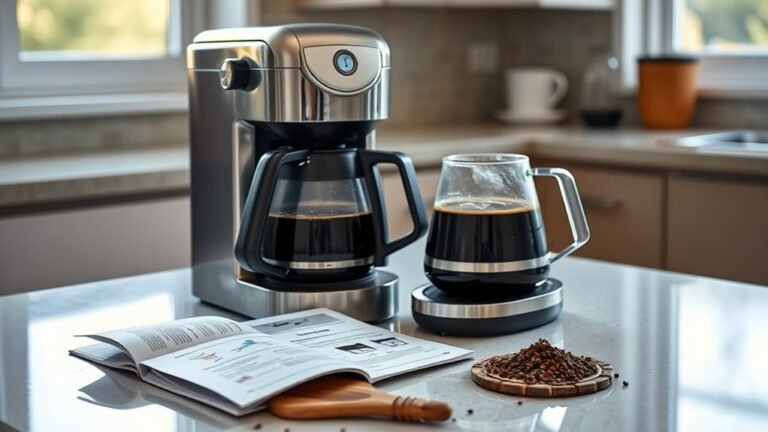
If you want consistent, convenient coffee with precise temperature control, an automatic drip coffee maker is a solid choice. It automates water distribution and brewing time, saving you effort and ensuring balanced flavor. However, you might face limited control over brewing variables and need regular maintenance to avoid mineral buildup. Though easier than manual methods,…
optimal grind size guide

The Best Grind Size for Every Brewing Method

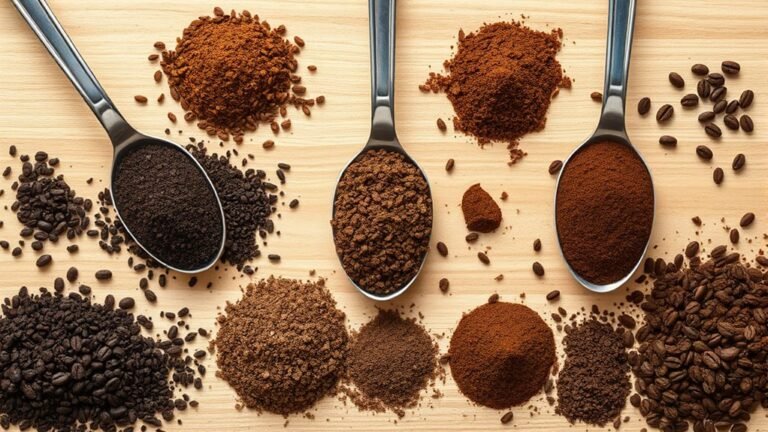
For the best grind size, use fine for espresso to guarantee 25-30 second extraction without clogging. Coarse works for French press and cold brew, avoiding over-extraction and sediment with larger particles. Medium suits drip coffee makers, resembling granulated sugar for balanced extraction, while pour over needs medium-fine, like table salt, for ideal flavor and steady…

brewing methods for coffee

Japanese Iced Coffee vs. Cold Brew: What’s the Difference?

If you want a bright, crisp cup, Japanese iced coffee brews hot water directly over ice, locking in vibrant flavors quickly. Cold brew, on the other hand, steeps coffee grounds slowly in cold water for 12-24 hours, resulting in a smooth, mellow, and less acidic drink. Each method uses different equipment and grind sizes to…

varieties of coffee filters

Exploring Different Types of Coffee Filters

When exploring coffee filters, you’ll find paper filters deliver clarity by trapping oils and sediment, while metal filters let through more oils for fuller flavor complexity. Cloth filters offer a balance by retaining oils but reducing sediment, requiring upkeep to prevent mold. Cone-shaped filters promote even extraction versus basket filters’ potential unevenness. Material thickness also…

coffee roast level comparison

Understanding Coffee Roast Levels: Light, Medium, and Dark

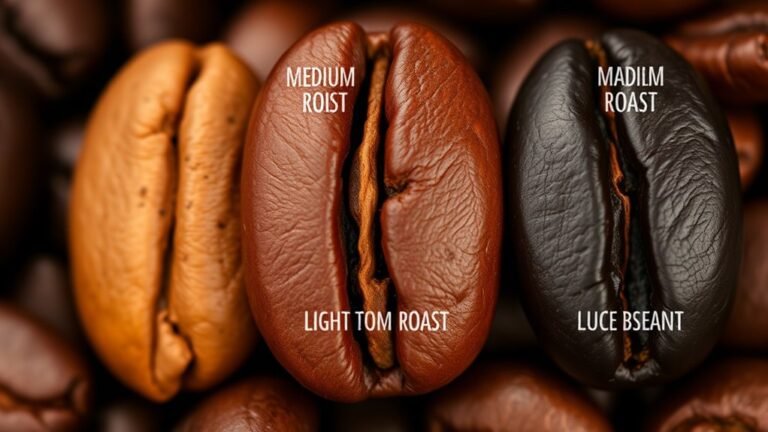
When you roast coffee beans, heat transforms their chemistry, affecting flavor and aroma. Light roasts preserve bright acidity and crisp, fruity notes, showcasing original bean traits. Medium roasts balance acidity with sweeter caramel and nutty flavors, offering complexity and fuller body. Dark roasts yield bold, smoky bitterness with oily, robust beans emphasizing strength over subtlety….

coffee flavor profiles explained

Understanding the Different Flavor Profiles of Coffee

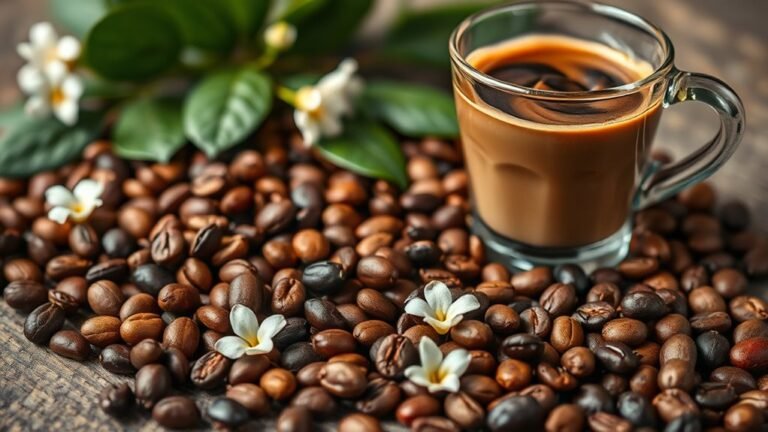
You’ll discover that coffee’s flavor profiles result from a blend of factors like origin, soil, and altitude influencing bean characteristics, while traditional processing and roast levels shape complexity and intensity. Acidity adds brightness, sweetness softens, and bitterness deepens the experience, all varying with brewing method and grind. From fruity and floral notes to nutty, chocolatey,…