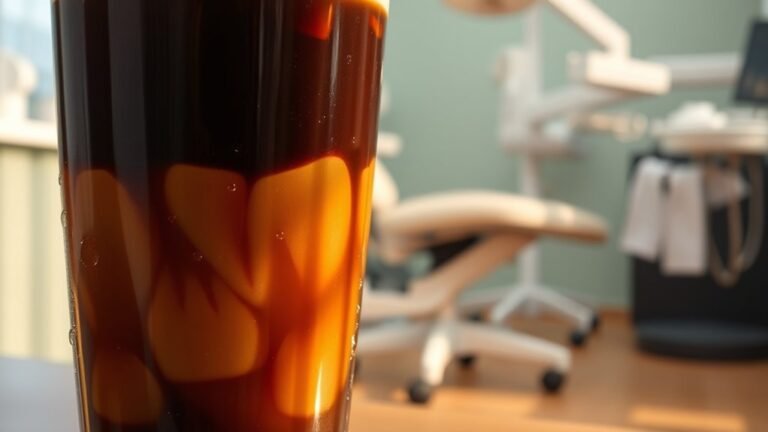
caution advised post surgery

Can You Drink Coffee After Removing Wisdom Teeth

After removing your wisdom teeth, it’s best to avoid coffee for at least a few days. Caffeine can increase pain sensitivity, lead to dehydration, and complicate your recovery. Instead, focus on hydrating with soft, soothing beverages like herbal teas or smoothies. If coffee is part of your routine, consider reintroducing it slowly after your healing…

coffee brewing ratio exploration

Exploring Different Coffee Brewing Ratios

When exploring different coffee brewing ratios, you’ll find that adjusting the coffee-to-water balance directly shapes your brew’s flavor—too much water weakens it, too little makes it bitter. Common methods have standard ratios: drip coffee around 1:16, espresso about 1:2, and French press near 1:15. Water temperature and grind size also influence extraction, so tweaking these…

unique flavor profiles explored

The Benefits of Single-Origin Coffee

When you choose single-origin coffee, you gain access to unique flavor profiles defined by specific regional factors like soil, altitude, and climate, resulting in bright acidity or chocolate undertones depending on origin. You’ll also enjoy full traceability, ensuring transparency from farm to cup and verification of sustainable, ethical farming practices. This direct connection enhances your…

post surgery coffee guidelines

Can You Drink Coffee After Dental Implant Surgery

After dental implant surgery, it’s best to wait at least 24 to 48 hours before drinking coffee. Caffeine can constrict blood vessels and may slow down healing, while excessive amounts can lead to dehydration. During the initial recovery phase, consider alternatives like herbal teas or decaffeinated options. Staying hydrated and following your dentist’s dietary guidelines…

water quality impacts brewing

The Role of Water Quality in Brewing Coffee

Water quality plays a critical role in coffee brewing by influencing extraction efficiency and flavor balance. Key minerals like calcium and magnesium adjust sweetness, acidity, and bitterness, while appropriate pH levels guarantee ideal solubility of flavor compounds. Water hardness affects clarity and extraction consistency, and contaminants such as chlorine must be removed to avoid off-flavors….

coffee roast level comparison

Understanding Coffee Roast Levels: Light, Medium, and Dark

When you roast coffee beans, heat transforms their chemistry, affecting flavor and aroma. Light roasts preserve bright acidity and crisp, fruity notes, showcasing original bean traits. Medium roasts balance acidity with sweeter caramel and nutty flavors, offering complexity and fuller body. Dark roasts yield bold, smoky bitterness with oily, robust beans emphasizing strength over subtlety….

coffee after root canal

Can You Drink Coffee After a Root Canal

After a root canal, it’s best to avoid drinking coffee for at least 24 hours. Coffee can heighten sensitivity and may complicate your recovery. Instead, opt for herbal teas or decaffeinated beverages during this time. If you’re experiencing pain or swelling, caffeine could worsen your discomfort. Staying hydrated is essential, so consider clear broths or…

coffee flavor evaluation techniques

The Art of Coffee Cupping: How to Evaluate Coffee Flavor

To evaluate coffee flavor expertly, you start by smelling freshly ground beans to capture aroma intensity. Use consistent tools—like a burr grinder and digital scale—to prepare uniform samples. Brew at precise temperatures, then taste by slurping to spread flavors evenly, focusing on acidity balance, body, and aftertaste. Record your notes immediately to track subtle nuances….