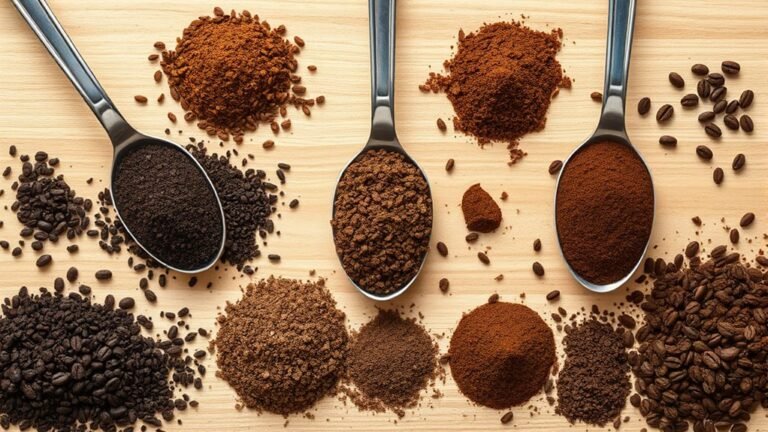

Can You Double Brew Coffee
Yes, you can double brew coffee, and it can greatly enhance your brewing experience. This method involves a second extraction, allowing for a deeper flavor profile and more complex aromas. You’ll need to carefully select your coffee beans, monitor water temperature, and adjust extraction times. While double brewing can produce rich flavors, it may also lead to bitterness if not done correctly. If you’re curious about the ins and outs of this technique, there’s more to discover.
Understanding Double Brewing

When you explore the world of coffee, understanding double brewing can greatly enhance your brewing experience. Double brewing, or double extraction, involves brewing coffee twice, allowing you to reveal deeper flavors and complexities. This technique requires specific brewing techniques, making it essential to choose the right coffee beans and water temperature. By brewing a second time, you’re not just intensifying the caffeine; you’re enriching the aromatic profile, turning each sip into a journey. Whether you’re using a French press or an espresso machine, mastering double brewing opens up a dimension of possibilities. Embrace the freedom to experiment, adjusting your methods to suit your palate, and discover the unique nuances that only double brewing can provide. Enjoy the adventure!
The Science Behind Coffee Extraction
When you brew coffee, the extraction process is essential in determining the flavor and aroma you experience. Factors like extraction time and water temperature can greatly alter your drink’s profile, leading to either a rich, balanced cup or a bitter, over-extracted mess. Understanding these elements not only enhances your brewing technique but also deepens your appreciation for each sip.
Brewing Process Explained
While many enjoy their morning cup of coffee without a second thought, the brewing process is a fascinating interplay of science and art that determines the drink’s flavor and aroma. Understanding this process can enhance your coffee experience. Here are three key factors to take into account:
- Brewing Methods: Each method, whether it’s French press or pour-over, affects extraction differently, influencing flavor notes.
- Coffee Ratios: The right balance of coffee to water is essential. Too much coffee can lead to bitterness, while too little may result in a weak brew.
- Water Temperature: The ideal temperature between 195°F and 205°F guarantees peak extraction of flavors.
Extraction Time Factors
Understanding extraction time is vital if you want to access the full potential of your coffee. The right extraction techniques can reveal flavors and aromas that elevate your brew. Factors like grind size, water temperature, and brew time influence how effectively you extract those rich compounds. Too short, and you’re left with a sour taste; too long, and bitterness takes over. Your brewing equipment plays an important role, as different methods require varying extraction times. For instance, a French press might need longer than an espresso machine. Embrace the freedom of experimentation! Adjust the variables to find your ideal balance, allowing you to craft a coffee experience that resonates with your palate and ignites your passion for the perfect cup.
Flavor Profile Changes
The nuances of flavor in coffee are profoundly influenced by the extraction process, where each variable contributes to the overall profile. When you double brew coffee, you’ll notice significant changes in flavor intensity and aroma balance. Here are three key factors to take into account:
- Extraction Time: Longer extraction can lead to bitterness, while shorter times enhance brightness.
- Water Temperature: Hotter water extracts oils and sugars more efficiently, altering the flavor complexity.
- Grind Size: Finer grounds increase surface area, intensifying flavor but risking over-extraction.
Benefits of Double Brewing
Double brewing coffee offers a unique depth of flavor that can elevate your daily cup to new heights. You’re not just enhancing the flavor; you’re revealing a treasure trove of potential health benefits. By extracting more oils and compounds, double brewing intensifies the aroma and richness of your brew, making each sip a delightful experience. This method allows you to explore complex notes that might be lost in a single brewing process. Plus, some studies suggest that higher caffeine and antioxidant levels can contribute to improved mental focus and overall well-being. When you double brew, you’re not only indulging your taste buds but also embracing a ritual that celebrates freedom in your coffee-making journey. So, take the plunge!
Potential Drawbacks of Double Brewing

While double brewing might seem like an enticing way to boost your coffee experience, it’s important to contemplate the potential drawbacks. You might find that the flavor turns overly bitter, overshadowing the nuanced notes you love. Additionally, increased caffeine levels could lead to jitters, while the delicate aroma often gets lost in the process, leaving you with a cup that’s less satisfying than you anticipated.
Overly Bitter Flavor
If you’re pondering double brewing your coffee for a stronger kick, be aware that it often leads to an overly bitter flavor that can overshadow the nuanced notes you might enjoy. This bitterness primarily stems from the extraction of bitter compounds, disrupting the delicate flavor balance. Here are a few vital points to reflect upon:
- Over-extraction: Brewing a second time extracts too many bitter compounds, making your cup harsh.
- Flavor Loss: The unique flavors from the beans can get buried under the bitterness, reducing your overall experience.
- Water Temperature: Using water that’s too hot during double brewing exacerbates bitterness, compounding the issue.
Ultimately, while double brewing might seem appealing, it’s essential to weigh the potential loss of flavor against your desire for a stronger brew.
Increased Caffeine Levels
Although many coffee enthusiasts seek stronger brews for an energy boost, double brewing can lead to considerably increased caffeine levels, which might not be suitable for everyone. If you’re someone with a low caffeine tolerance, this heightened potency could result in jitters, anxiety, or insomnia. Even those accustomed to caffeine may find that double-brewed coffee pushes their limits, leading to an uncomfortable experience rather than the invigorating rush they desire. It’s important to acknowledge your own caffeine tolerance before diving into this brewing technique. While the allure of a robust cup is enticing, understanding the potential drawbacks guarantees you maintain that coveted balance between energy and well-being. Choose wisely, and enjoy your coffee journey!
Loss of Aroma
Double brewing coffee may ramp up caffeine levels, but it can also lead to a significant loss of aroma, a key component that enhances the overall coffee experience. This aroma loss often results in flavor degradation that can sour your enjoyment. If you’re considering double brewing, keep these points in mind:
- Volatile Compounds: The intense brewing process can strip away the delicate aromas that make coffee unique.
- Over-extraction: You risk extracting unwanted flavors, resulting in a bitter or flat cup.
- Diminished Complexity: The rich, layered flavors of your beans may vanish, leaving a one-dimensional taste.
While the caffeine boost might be alluring, it’s important to weigh these drawbacks against your passion for a beautifully aromatic cup.
How to Properly Double Brew Coffee

Brewing coffee twice can elevate your morning ritual into a rich, complex experience. To properly double brew, start with a coarse coffee grind for the first brew—this maximizes extraction without bitterness. Use reliable brewing equipment, like a French press or pour-over, to guarantee an even extraction. Once you’ve brewed your first cup, save the grounds; they’ll serve as the foundation for your second brew. For the second round, use the same grounds but double the water. This method intensifies flavor while maintaining balance. Keep an eye on steeping time; a minute or two longer can reveal deeper notes. Remember, the essence of double brewing lies in experimentation—embrace it and discover your perfect blend of freedom and flavor!
Is Double Brewing Right for You?
Have you ever considered whether double brewing is the right choice for your coffee routine? This unique method can elevate your coffee experience, but it may not suit everyone. Here are three factors to think about:
- Brewing Techniques: Are you comfortable experimenting with different brewing methods? Double brewing requires some finesse.
- Coffee Preferences: Do you enjoy bold, intense flavors, or do you lean toward lighter notes? Double brewing often enhances richness.
- Time Investment: Are you willing to spend extra time crafting your cup? The process can be lengthier than traditional brewing.
Ultimately, if you’re passionate about coffee and enthusiastic to explore, double brewing could be a delightful adventure in flavor. Embrace the freedom to tailor your coffee journey!
Frequently Asked Questions
Can I Double Brew With Instant Coffee?
You can definitely experiment with double brewing instant coffee! While instant coffee benefits include convenience and a quick caffeine fix, doubling up can intensify its flavors, giving you a richer experience. You’ll discover unique instant coffee flavors that arise from this method. Just remember, it might not produce the same complexity as freshly brewed coffee, but it can still satisfy your taste buds. Enjoy the freedom to explore and find your perfect cup!
What Types of Coffee Beans Are Best for Double Brewing?
When it comes to selecting coffee beans for the art of double brewing, your choices can greatly influence the experience. Light roast beans often shine with their bright acidity and floral notes, offering a vibrant profile. Conversely, dark roast beans provide a rich, bold flavor that can withstand the intensity of double brewing. Ultimately, your preference will guide you, but experimenting with both can lead to a delightful exploration of coffee’s diverse dimensions.
How Does Double Brewing Affect Caffeine Levels?
Double brewing can greatly enhance caffeine levels due to increased caffeine extraction during the brewing process. When you utilize specific brewing techniques, like steeping coffee grounds twice, you’re allowing more caffeine to seep into your beverage. This method can yield a bolder cup, packed with energy. If you’re seeking that extra kick, experimenting with double brewing could release a new domain of flavors and caffeine intensity, giving you the freedom to craft your perfect brew.
Can I Double Brew With a French Press?
You can absolutely double brew with a French press! This method allows for enhanced extraction of flavors and caffeine, giving you a richer cup. By using coarsely ground coffee for the first brew and then reusing those grounds for a second infusion, you’re exploring unique brewing techniques. Just be aware that the flavor may become more bitter with each brew. Embrace this freedom to experiment, and you’ll discover new depths in your coffee experience!
Is Double Brewing Suitable for Cold Brew Methods?
Double brewing with cold brew methods can definitely elevate your coffee experience. Imagine infusing your cold brew flavor with even more depth—sounds enticing, right? While you’re aiming for cold brew strength, be cautious; too much brewing could lead to bitterness. Experimenting with different coffee-to-water ratios can help you find that perfect balance. Embrace the freedom to customize your brew, and you might just discover a new favorite cold coffee creation!