
Can You Brew Coffee Twice
Yes, you can brew coffee twice, and it can enhance flavor complexity. However, the second brew may lead to increased bitterness due to over-extraction. This process utilizes more coffee grounds, maximizing your usage but potentially sacrificing taste. Balancing variables like grind size and brew time is essential to avoid undesirable flavors. If you’re curious about the best practices for double brewing and how to make the most of it, there’s more to explore.
Understanding Coffee Extraction
When you brew coffee, the process of extraction is vital to understanding how flavors and aromas develop. Coffee solubility plays a significant role in this process, as it determines how well the water can dissolve the various compounds in the coffee grounds. During extraction, the coffee’s natural oils, acids, and sugars are released, contributing to its overall flavor profile. However, extraction time is important; too short, and you won’t extract enough flavor, too long, and you’ll over-extract, resulting in bitterness. Balancing these elements guarantees you achieve a harmonious cup of coffee. You’ll find that experimenting with different extraction times and coffee solubility can lead to a personalized brew that aligns with your taste preferences, allowing you to enjoy your coffee freely.
The Science Behind Brewing
Although brewing coffee might seem straightforward, it involves complex scientific principles that influence the final cup. The brewing chemistry revolves around extraction variables, such as temperature, time, and grind size. Each of these factors plays a critical role in how compounds are extracted from coffee grounds. For instance, higher temperatures can accelerate extraction, allowing more flavors and aromatics to dissolve into your brew. Conversely, if the brew time is too short, you may miss out on the full range of flavors. Understanding these variables empowers you to customize your coffee experience, letting you experiment with different techniques. By mastering the science behind brewing, you can achieve a cup that truly reflects your preferences and creative spirit.
Flavor Profiles of Single vs. Double Brewed Coffee
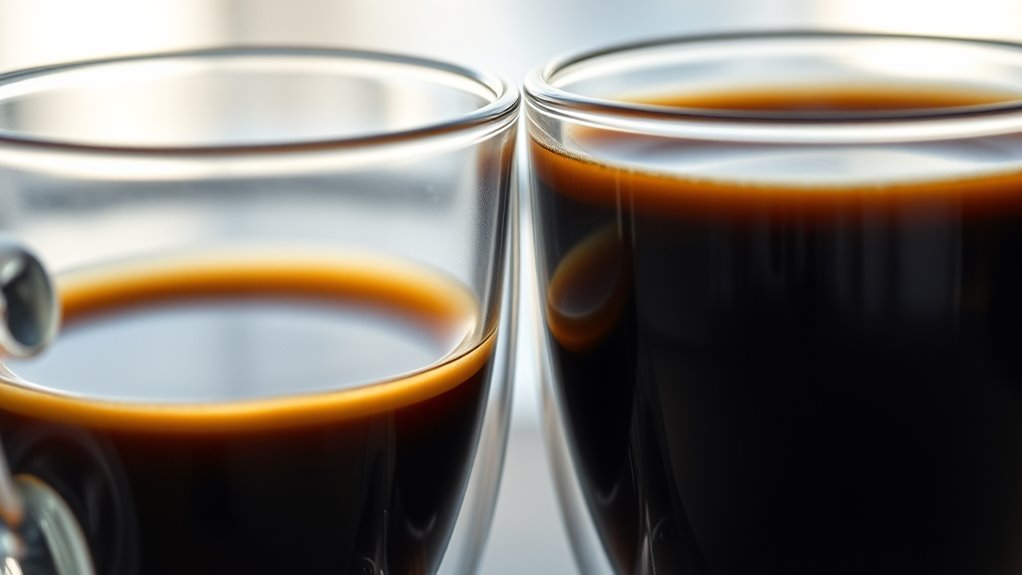
When comparing single and double brewed coffee, you’ll notice significant differences in flavor intensity. The brewing method directly impacts how compounds are extracted, leading to variations in taste and aroma. Understanding these distinctions can help you choose the brewing method that best suits your palate.
Flavor Intensity Differences
While many coffee enthusiasts might consider brewing coffee twice as a way to enhance flavor, the reality is that single and double brewed coffee exhibit distinct flavor profiles. Single brewed coffee often achieves a more nuanced flavor balance, allowing the subtler notes to shine through, while double brewing can lead to intensified bitterness and reduced complexity. This intensity may mask the delicate aromas that make coffee enjoyable. Additionally, the aroma enhancement in single brewed coffee contributes to an overall more pleasing sensory experience. In contrast, double brewed coffee can present a more straightforward, less intricate flavor profile, appealing to those who enjoy stronger brews. Ultimately, your preference will depend on whether you value complexity or intensity in your coffee experience.
Brewing Method Effects
The brewing method you choose greatly influences the flavor profiles of single and double brewed coffee. When you double brew, the extraction process intensifies, often leading to a more robust brew strength. If you start with a coarse coffee grind for your first brew, a fine grind for the second can create varying flavor notes. This contrast allows you to explore a spectrum from bold to subtle flavors, depending on the grind size and brewing time. Single brewed coffee tends to highlight the origin’s characteristics, while double brewing can introduce deeper, more complex flavors. Ultimately, your chosen method can either enhance or overshadow the coffee’s inherent qualities, so experiment to find the balance that suits your taste.
Pros of Brewing Coffee Twice
Brewing coffee twice can lead to enhanced flavor extraction, allowing you to experience a richer profile with each cup. This method can also be a cost-effective way to maximize your coffee grounds, stretching your resources further without sacrificing taste. By understanding these benefits, you can make more informed choices about your brewing habits.
Enhanced Flavor Extraction
When you brew coffee a second time, you can reveal a deeper layer of flavor that might otherwise remain hidden. This process leverages extraction techniques that can enhance the overall taste profile. By using a second brew, you’re allowing the leftover grounds to release additional oils and compounds, which can lead to a more complex flavor experience. The initial brew may extract the primary flavors, while the second can pull out subtler notes that add depth. However, it’s vital to control variables like temperature and brew time to avoid over-extraction, which can lead to bitterness. Embracing this method not only enriches your cup but also encourages exploration of coffee’s diverse flavor spectrum.
Cost-Effective Brewing Method
Releasing additional flavor through a second brew isn’t just about taste; it also presents a cost-effective brewing method. By utilizing your coffee grounds twice, you’re maximizing brewing efficiency and minimizing waste. This approach allows you to enjoy multiple cups without needing to purchase new coffee each time, leading to notable cost savings.
Moreover, when you brew a second time, you extract flavors that might otherwise go unnoticed, making your coffee experience richer while still being budget-friendly. It’s a practical solution for those who value both quality and economy in their daily caffeine ritual. Ultimately, embracing this method empowers you to indulge in your coffee habit without overspending, aligning perfectly with a desire for both freedom and financial responsibility.
Cons of Brewing Coffee Twice
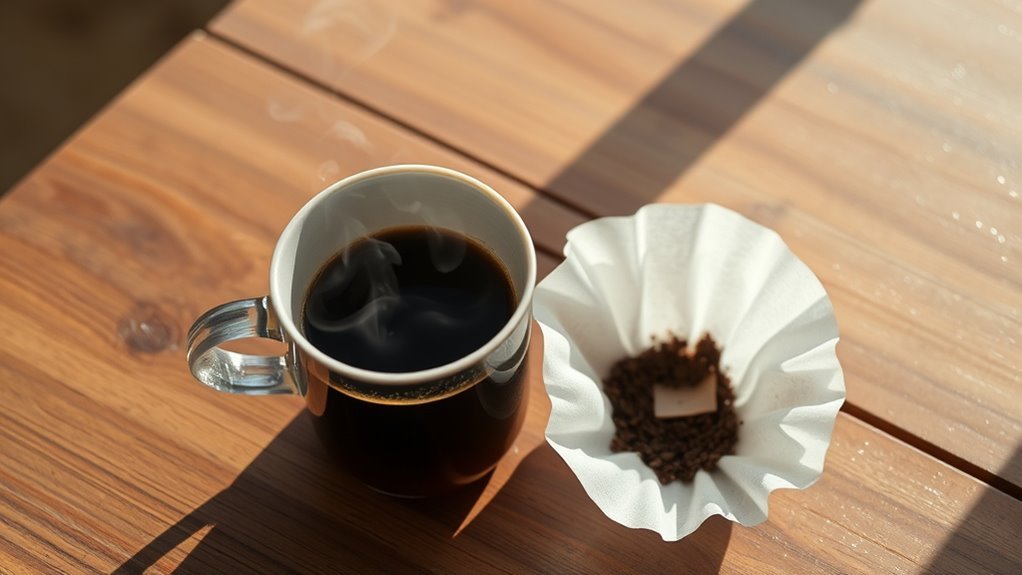
Although some coffee enthusiasts might argue that brewing coffee twice can yield stronger flavors, there are significant drawbacks to take into account. The process can lead to increased coffee bitterness due to over-extraction, diminishing your overall experience. Additionally, the extraction efficiency may decrease with each brew, resulting in a less flavorful cup.
| Factor | First Brew | Second Brew |
|---|---|---|
| Flavor Profile | Rich and complex | Flat and bitter |
| Coffee Bitterness | Balanced | Increased |
| Extraction Efficiency | High | Low |
In essence, while brewing twice may seem appealing, you risk compromising taste and quality, making it essential to weigh these cons against your brewing goals.
Best Coffee Varieties for Double Brewing
Selecting the right coffee varieties for double brewing can greatly influence your final cup’s flavor and quality. Consider beans from specific coffee origins known for their robust profiles, like Colombian or Ethiopian coffees. These varieties often retain their character even after a second brew. When double brewing, you’ll want to adjust your brewing ratios; typically, a 1:15 ratio works well for the first brew, while the second might require a slightly stronger concentration to avoid dilution of flavor. Experimenting with single-origin coffees can also yield unique taste experiences, as their distinct notes can shine through in both brews. Ultimately, the choice of coffee can enhance your double brewing journey, giving you the freedom to explore diverse flavors.
Techniques for Maximizing Flavor
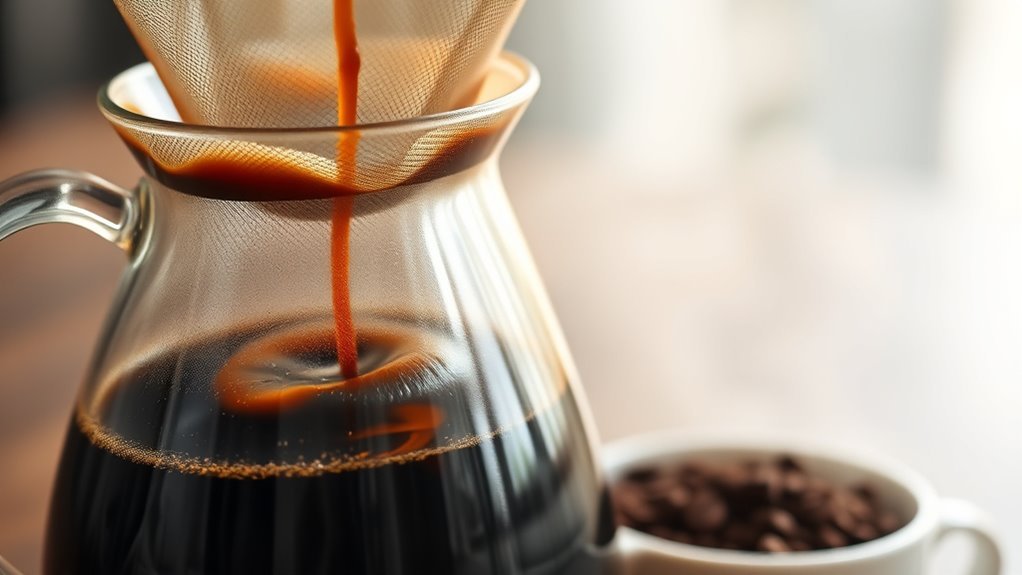
To maximize flavor in double brewing, you can employ several key techniques that enhance the extraction process and overall taste. First, consider your grind size; a finer grind increases surface area, promoting better extraction efficiency during brewing. Second, adjust your water temperature; ideally, it should be between 195°F and 205°F to optimize flavor enhancement without over-extracting bitterness. Third, experiment with brew time; longer steeping can draw out more complex flavors, but be cautious to avoid over-extraction. Ultimately, use a quality water-to-coffee ratio—generally, a 1:15 ratio works well. By fine-tuning these variables, you’ll not only elevate your double brew’s flavor but also create a richer, more satisfying cup that reflects your personal preferences.
Sustainable Practices in Coffee Consumption
Maximizing flavor in your coffee brewing can also be complemented by adopting sustainable practices in your coffee consumption. When you choose coffee that’s ethically sourced, you support farmers who prioritize fair wages and environmentally friendly practices. This not only enhances the quality of your coffee but also contributes to a healthier ecosystem. Additionally, look for brands that use eco-friendly packaging; this reduces waste and minimizes your carbon footprint. By selecting products that align with sustainable values, you promote a more ethical coffee industry. You’re not just enjoying a rich cup; you’re making a conscious choice that impacts the world. Embracing these practices leads to better coffee experiences while ensuring you’re part of a movement towards sustainability.
Final Thoughts on Double Brewing Coffee
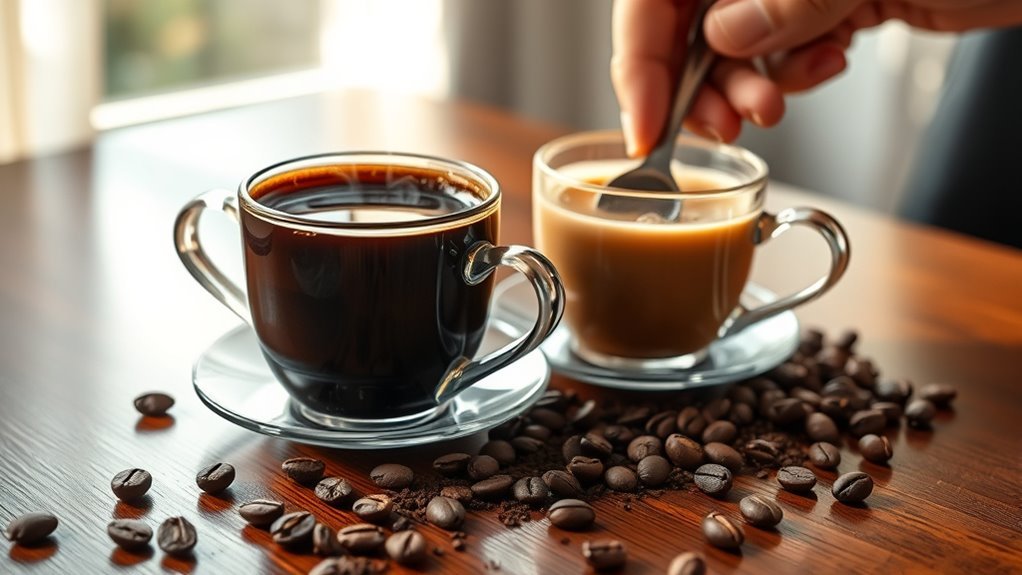
While double brewing coffee may seem like an innovative way to extract more flavor from your grounds, it’s essential to contemplate the impact on taste and quality. Your brewing preferences will ultimately determine if this method suits your palate.
Here’s a quick comparison of key aspects:
| Aspect | First Brew | Second Brew |
|---|---|---|
| Flavor | Rich and bold | Lighter, diluted |
| Aroma | Intense and fresh | Weaker, less vibrant |
| Caffeine Content | Higher | Lower |
| Waste | Minimal grounds | More grounds used |
Frequently Asked Questions
Can I Use the Same Coffee Grounds for Multiple Brews?
Imagine a painter using the same brush for multiple strokes, each time creating a different shade. Similarly, you can use the same coffee grounds for multiple brews, but the coffee flavor will diminish with each extraction. Brewing techniques like steeping or using a French press can influence the outcome. While you can reuse grounds, expect a weaker flavor profile. If you crave a robust cup, fresh grounds are always the best choice.
How Much Caffeine Is in Double Brewed Coffee?
When considering the caffeine content in double brewed coffee, it’s essential to note that double brewing typically extracts more caffeine from the coffee grounds. This process can result in a higher caffeine concentration in each cup, depending on the brewing method and duration. However, the total caffeine content also depends on the type of coffee beans used. If you’re seeking a stronger kick, double brewing might just be the way to go.
Does Brewing Coffee Twice Affect Its Acidity?
Brewing coffee twice is like peeling back layers of an onion; each layer reveals more complexity. When you brew coffee a second time, you might notice changes in the coffee flavor and acidity levels. The initial brew extracts most of the desirable compounds, while the second round can increase acidity, making it sharper and less balanced. If you’re after a smoother cup, it’s best to stick with a single brew for ideal flavor.
What Is the Best Temperature for Double Brewing Coffee?
When you’re considering the best temperature for double brewing coffee, aim for around 195°F to 205°F. This brew temperature is essential for ideal extraction, allowing you to draw out the rich flavors and aromas without over-extracting any bitterness. If you brew too hot, it can lead to undesirable acidity, while brewing too cool may result in a weak cup. Finding that sweet spot will enhance your coffee experience considerably.
Can I Double Brew Cold Brew Coffee?
Yes, you can double brew cold brew coffee, which can enhance flavor extraction. Notably, cold brew is typically 67% less acidic than hot brewed coffee, making it smoother. By using cold brew techniques, you can steep the grounds a second time to extract deeper flavors and create a more concentrated beverage. Just remember to adjust your water-to-coffee ratio to avoid overwhelming bitterness, allowing you to enjoy a richer, more vibrant cup.