

Can I Drink Coffee After Whipple Surgery
After Whipple surgery, you should be cautious about drinking coffee. Caffeine can stimulate digestive enzymes and increase gastric acid, which might cause discomfort or exacerbate digestive issues. It’s best to wait until your body has adjusted post-surgery before reintroducing coffee. Start with small servings, choose low-acid options, and weigh gentler alternatives like herbal teas. Monitoring your body’s response is essential, and there are more aspects to take into account for your recovery journey.
Understanding Whipple Surgery and Its Impact on Digestion
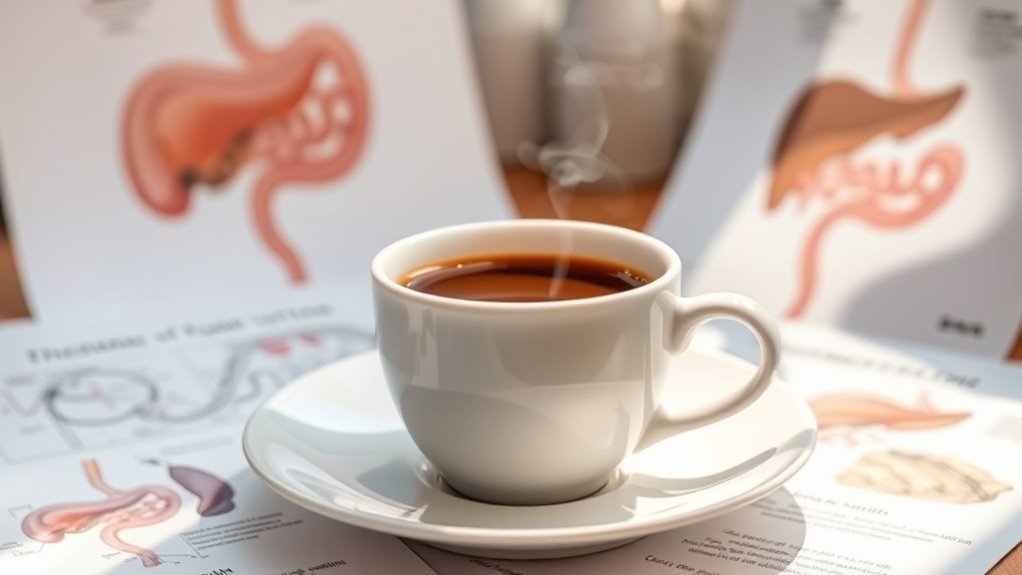
When you undergo Whipple surgery, also known as pancreaticoduodenectomy, significant changes occur in your digestive system. This complex procedure involves the removal of the pancreas’s head, the duodenum, part of the bile duct, and sometimes a portion of the stomach. As a result, you’ll experience digestive changes that can affect nutrient absorption and overall digestion. During surgery recovery, your body will need time to adapt to these alterations. You may encounter symptoms like diarrhea or difficulty digesting fats initially. Adjustments to your diet, including smaller, more frequent meals, can help manage these changes. Understanding these impacts can empower you to navigate your post-surgery journey with confidence, ensuring a smoother adjustment back to a more liberated lifestyle.
The Role of Caffeine in Your Diet
Caffeine can considerably affect your digestive health, especially after undergoing Whipple surgery. It’s crucial to reflect on how it may interact with your recovery and overall dietary guidelines. Understanding these factors will help you make informed choices about including caffeine in your post-surgery diet.
Caffeine and Digestive Health
How does caffeine impact digestive health? Caffeine can stimulate the production of digestive enzymes, aiding in the breakdown of food. However, if you have caffeine sensitivity, it may lead to discomfort or exacerbate digestive issues. Understanding your body’s response is vital for maintaining digestive health post-surgery.
| Impact of Caffeine | Considerations |
|---|---|
| Stimulates enzymes | May enhance digestion |
| Can aggravate sensitivity | Monitor your body’s response |
| Increases gastric acid | Potential discomfort |
| Affects absorption | Consider timing with meals |
Engaging with caffeine requires awareness of how it influences your digestive system. Post-Whipple surgery, it is important to assess your tolerance and consult with your healthcare provider for tailored advice.
Recommended Dietary Guidelines
After considering the impact of caffeine on digestive health, it’s important to understand its role within broader dietary guidelines. In post-surgery nutrition, especially after Whipple surgery, you’ll face specific dietary restrictions aimed at enhancing recovery. While caffeine can stimulate digestion, it may also exacerbate symptoms like diarrhea or discomfort. Consequently, moderation is key.
Incorporate balanced meals that focus on lean proteins, healthy fats, and complex carbohydrates, while being cautious with caffeine. Consider alternatives like herbal teas or decaffeinated options if coffee triggers adverse effects. Always consult with your healthcare provider to tailor your diet to your specific needs, ensuring you maintain nutritional balance without compromising your recovery process. This way, you can enjoy the freedom of dietary choices responsibly.
Potential Effects of Coffee on Recovery

After Whipple surgery, it’s essential to evaluate how coffee may affect your recovery. Caffeine can influence digestion, hydration levels, and nutritional absorption, which are all important for healing. Understanding these potential effects can help you make informed decisions about reintroducing coffee into your diet.
Caffeine and Digestion
While many people enjoy coffee for its stimulating effects, it’s vital to contemplate how caffeine can impact digestion, especially during recovery from Whipple surgery. Caffeine metabolism can alter the production of digestive enzymes, which are essential for nutrient absorption. You might find that coffee stimulates gastric acid production, potentially leading to discomfort or impaired digestion in the early stages of recovery.
| Effect | Description | Recovery Consideration |
|---|---|---|
| Caffeine Metabolism | Alters enzyme production, affecting digestion | May cause discomfort |
| Gastric Stimulation | Increases acid production | Monitor for irritation |
| Nutrient Absorption | Impaired due to enzyme changes | Guarantee balanced intake |
| Timing | Best consumed in moderation | Limit to avoid digestive issues |
| Individual Response | Varies from person to person | Listen to your body |
Hydration Considerations
Considering the effects of caffeine on digestion, it’s important to also focus on hydration during recovery from Whipple surgery. Maintaining a proper hydration balance is vital as your body heals. Caffeine, found in coffee, can have a diuretic effect, potentially leading to increased fluid loss. This means you’ll need to monitor your fluid intake to guarantee you’re staying adequately hydrated. Aim to consume plenty of water and other hydrating fluids throughout the day. Dehydration can hinder your recovery, so listen to your body’s signals. While you may enjoy coffee, it’s essential to balance your consumption with sufficient non-caffeinated fluids. Prioritizing hydration will support your overall recovery efforts and well-being.
Nutritional Impact
Although coffee can be enjoyed by many, its consumption after Whipple surgery warrants careful consideration due to its potential nutritional impact on recovery. After surgery, your body may require specific nutritional adjustments, and coffee can affect your digestive system and nutrient absorption. The caffeine in coffee may irritate your stomach, especially if you have dietary restrictions post-surgery. It’s essential to monitor how your body reacts to coffee, as it could interfere with digestion and nutrient utilization, potentially hindering recovery. Instead of jumping back into your usual coffee routine, consult with your healthcare provider to determine if and when it’s appropriate for you to reintroduce coffee into your diet. Prioritize your recovery while enjoying the freedom to explore dietary choices.
When to Reintroduce Coffee Post-Surgery

After Whipple surgery, reintroducing coffee should be approached with caution and ideally discussed with your healthcare provider. Generally, it’s recommended to wait at least a few weeks before considering coffee, allowing your body time to heal. Your individual recovery timeline may vary based on your specific health status and post-surgery preferences. Once you get the green light, a gradual reintegration is best. Start with small amounts, observing how your body reacts. Monitor for any digestive discomfort or changes in energy levels. If you experience adverse effects, it may be wise to delay further consumption. Always prioritize your health and well-being by maintaining open communication with your healthcare team during this change.
Tips for Enjoying Coffee After Whipple Surgery
Once you’ve received the go-ahead from your healthcare provider to reintroduce coffee, there are several tips to enhance your experience while minimizing discomfort.
Once cleared by your healthcare provider, gently reintroduce coffee with mindful choices for a better experience.
- Start Slow: Begin with small servings to gauge your tolerance.
- Choose Brewing Methods Wisely: Opt for methods like cold brew or pour-over, which may be gentler on your digestive system.
- Consider Your Coffee Preferences: Experiment with low-acid coffee options that can reduce gastrointestinal irritation.
- Monitor Additives: Limit creamers and sugars initially, as they may cause discomfort; gradually reintroduce them as you feel comfortable.
Alternatives to Traditional Coffee

If you’re looking for alternatives to traditional coffee after Whipple surgery, several options can provide a satisfying experience without the potential digestive stress. Consider coffee substitutes like chicory root or barley coffee, which mimic the rich flavor of coffee without caffeine. These options are often gentler on the digestive system. Herbal alternatives, such as rooibos or herbal chai, offer unique flavors and can be enjoyed hot or cold. They contain no caffeine, making them a safer choice while you recover. Additionally, you might explore matcha or green tea, which have lower caffeine levels and provide antioxidants. Always consult with your healthcare provider before incorporating new beverages into your routine to verify they align with your recovery needs.
Listening to Your Body: Signs to Watch For
Choosing alternatives to traditional coffee is just one way to support your recovery after Whipple surgery. As you navigate this journey, it’s essential to listen to your body and be aware of signs that may indicate a need for dietary adjustments or pain management.
Here are four signs to watch for:
- Persistent Pain: If you experience ongoing discomfort, consult your healthcare provider.
- Nausea or Vomiting: These symptoms may suggest dietary adjustments are necessary.
- Fatigue: Unusual tiredness can indicate your body’s struggle to heal.
- Changes in Digestion: If you notice significant changes, it’s important to reassess your diet.
Listening to your body and responding appropriately can enhance your recovery experience.
Frequently Asked Questions
Can I Drink Decaffeinated Coffee After Whipple Surgery?
Yes, you can drink decaffeinated coffee after Whipple surgery. Decaffeinated coffee offers benefits such as reduced acidity, which can enhance digestive comfort as your body heals. Since caffeine can sometimes irritate the digestive system, opting for decaf may help you avoid discomfort. Always listen to your body and consult your healthcare provider for personalized advice. They’ll guide you on when it’s safe to reintroduce decaffeinated coffee into your diet.
Will Coffee Affect My Medication Absorption Post-Surgery?
You might wonder if coffee could interfere with medication absorption rates. The truth is, caffeine can affect medication timing and how well your body absorbs certain drugs. Some medications may not be as effective if taken with coffee, so it’s essential to consult your healthcare provider. They’ll help you determine the best approach for your situation, ensuring you get the most benefit from your medications while enjoying the freedom of your routine.
Is Iced Coffee a Better Option After Surgery?
Iced coffee can be a better option post-surgery due to its potential benefits. Cold brew, in particular, tends to be less acidic, which may be gentler on your digestive system. The lower acidity can help minimize discomfort, a consideration after surgery. Additionally, iced coffee can be more invigorating, making it easier to consume fluids you need for recovery. Always consult your healthcare provider to verify it aligns with your specific dietary guidelines.
How Much Caffeine Is Safe to Consume Post-Whipple?
Steering post-surgery caffeine consumption can feel like a tightrope walk. Your caffeine tolerance might’ve changed, so it’s wise to tread carefully. Generally, it’s recommended to limit caffeine to around 200-300 mg per day, but listen to your body. Staying hydrated is essential, too; make sure water’s your go-to companion. Always consult your healthcare provider for personalized advice, ensuring you’re balancing your caffeine cravings with your recovery needs.
Can I Add Milk or Sugar to My Coffee After Surgery?
You can certainly add milk or sugar to your coffee after surgery, but it’s wise to be cautious. If you prefer milk alternatives, options like almond or oat milk can be gentler on your digestive system. As for sweeteners, consider using sugar substitutes that are easier to digest, such as stevia or erythritol. Monitor how your body reacts, adjusting as needed to guarantee comfort and avoid any potential digestive issues.