Can an Espresso Maker Make Coffee
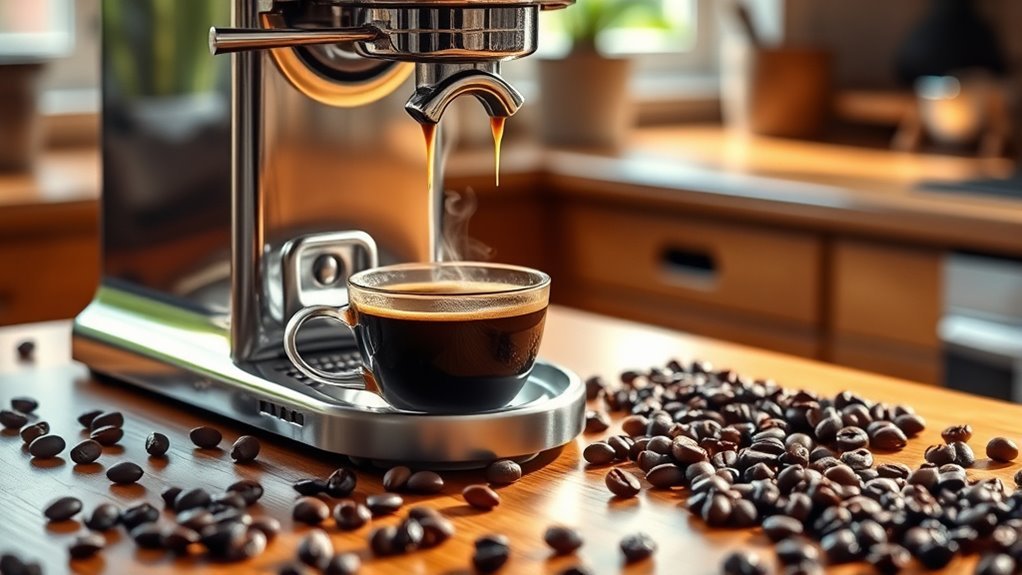
Yes, an espresso maker can absolutely make coffee! It’s not just about rich espresso shots; you can craft a variety of coffee drinks, like smooth Americanos or frothy lattes. With adjustable pressure and temperature, you can customize your brewing experience. Use freshly ground beans for the best flavor, and you’ll discover the endless possibilities this versatile machine offers. If you’re curious about maximizing your espresso maker’s potential, there’s much more to explore!
Understanding Espresso Makers
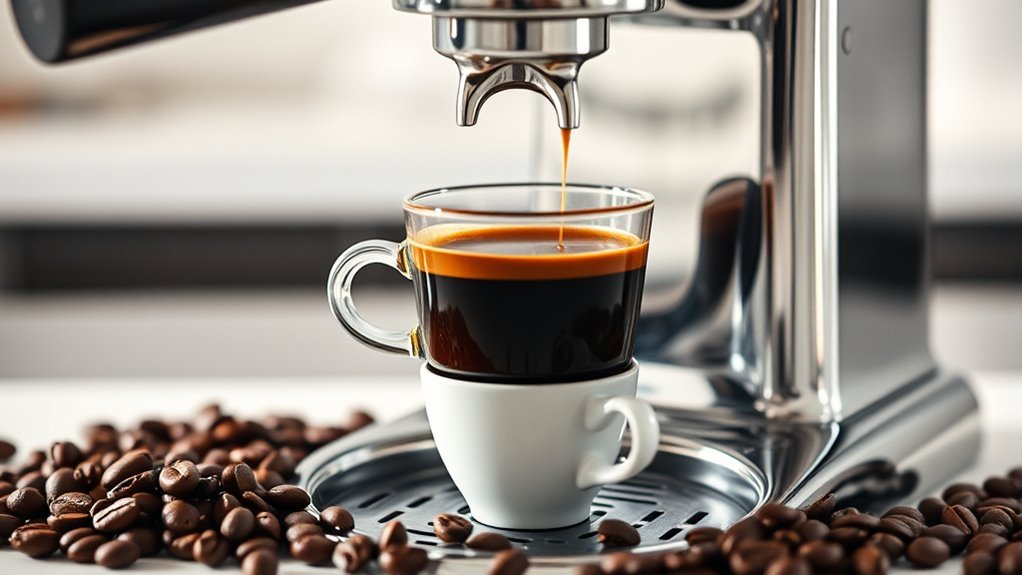
When you immerse yourself in the world of espresso makers, you’ll quickly realize that these machines are more than just tools; they’re gateways to a rich coffee experience. Understanding espresso machine features is essential to releasing your inner barista. Look for machines with adjustable pressure settings, temperature control, and built-in grinders for ideal flavor extraction. When it comes to espresso preparation tips, focus on using freshly ground coffee and maintaining the right tamping pressure. Experimenting with grind size and water temperature allows you to customize your brew to perfection. Embrace this freedom to explore various techniques and flavors, as each cup can transport you to a café in Italy. Your espresso journey awaits—dive in and savor every moment!
The Brewing Process of Espresso
Mastering espresso involves understanding the brewing process, which is both an art and a science. When you prepare your espresso, you’ll want to focus on these key elements for perfect espresso extraction and rich crema formation:
Mastering espresso is a harmonious blend of art and science, focusing on key elements for the perfect brew.
- Freshly ground beans: Use high-quality, freshly ground coffee for the best flavor.
- Correct tamping: Apply even pressure to create a uniform coffee puck that allows water to flow evenly.
- Optimal water temperature: Aim for 190°F to 205°F to extract the best flavors without bitterness.
- Timing: Aim for a 25-30 second brew time to achieve that golden crema atop your espresso.
With each step, you’re embracing the freedom of crafting your perfect shot, transforming simple ingredients into an extraordinary experience.
Differences Between Espresso and Traditional Coffee
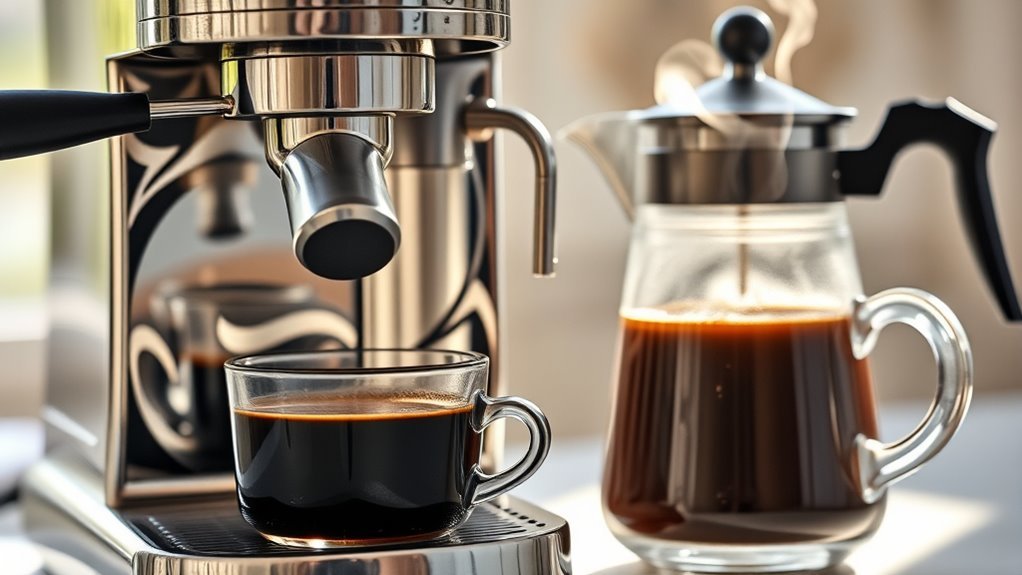
While many people enjoy a good cup of coffee, espresso stands out due to its unique preparation and characteristics. The process of espresso extraction involves forcing hot water through finely-ground coffee under pressure, yielding a concentrated, rich flavor. In contrast, traditional coffee brewing typically relies on gravity, resulting in a milder taste.
| Aspect | Espresso |
|---|---|
| Brewing Method | Pressure extraction |
| Coffee Grind | Finely ground |
| Flavor Profile | Bold, intense |
| Serving Size | Smaller shots (1-2 ounces) |
| Caffeine Content | Higher per ounce than brewed coffee |
These differences create distinct experiences, making each choice a celebration of coffee in its own right. Embrace the freedom to explore both worlds!
Using an Espresso Maker for Coffee
Many coffee enthusiasts might not realize that your espresso maker can do more than just brew those rich, concentrated shots. With a little creativity, you can whip up delicious coffee using your espresso machine. Here’s how to embrace that freedom:
- Brew a bold Americano by adding hot water to your espresso.
- Prepare a creamy latte by frothing milk and mixing it with espresso.
- Craft a delightful cappuccino with equal parts espresso, steamed milk, and foam.
- Make a revitalizing iced coffee by pulling a shot over ice and adding cold milk or cream.
Exploring these espresso drinks opens up a world of flavor while showcasing the versatility of espresso machines. So, release your inner barista and enjoy the freedom of creativity!
Ideal Coffee Grounds for Espresso Makers
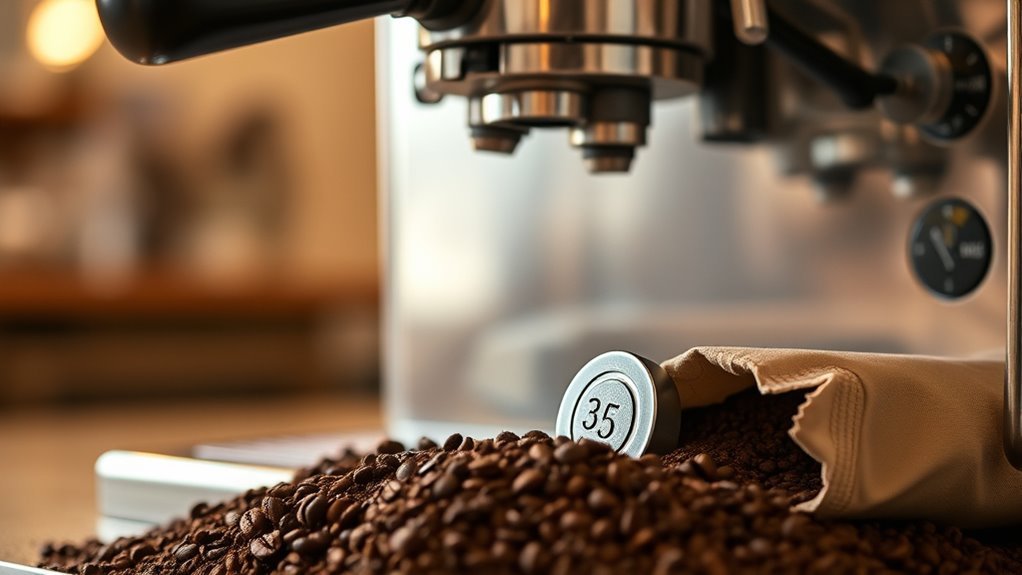
To achieve that perfect espresso shot, the choice of coffee grounds is essential. You want an espresso grind size that’s fine but not too powdery—think sand, not flour. This allows for ideal extraction while preventing clogging. When it comes to coffee bean types, embrace the richness of Arabica for its smooth, nuanced flavors or the boldness of Robusta for that caffeine kick. Experimenting with blends can also create unique profiles that elevate your espresso experience. Remember, freshness is key; always use freshly ground beans. The right combination of grind size and bean type sets the stage for a delightful espresso, inviting you to savor every sip. Enjoy the freedom to explore and craft your perfect cup!
Techniques for Brewing Coffee With an Espresso Maker
Once you’ve perfected your choice of coffee grounds, it’s time to focus on the brewing techniques that will elevate your espresso experience. Mastering these elements will give you the freedom to create delightful cups of coffee. Here are four key techniques to enhance your brewing:
Perfect your coffee grounds and master brewing techniques to elevate your espresso experience and create delightful cups of coffee.
- Brew Ratios: Aim for a 1:2 ratio for balanced extraction—one part coffee to two parts water.
- Water Temperature: Keep your water between 195°F and 205°F for ideal flavor extraction.
- Tamping: Apply even pressure when tamping the grounds to guarantee uniform water flow.
- Pre-infusion: Allow water to saturate the grounds briefly before full extraction to release deeper flavors.
With these techniques, you’ll not only brew coffee but create a true espresso masterpiece.
Flavor Profiles: Espresso vs. Coffee

When you compare espresso and regular coffee, you’re really tasting the essence of two distinct brewing methods. Espresso’s concentrated richness showcases bold flavors and a creamy texture, while traditional coffee offers a lighter, more nuanced experience that highlights different aroma profiles. Understanding these differences can elevate your appreciation for both drinks and enhance your overall coffee journey.
Brewing Methods Comparison
How does the flavor of espresso differ from that of regular coffee, and what makes each unique? The brewing methods create distinct profiles, showcasing the art of coffee. Here’s what you can expect:
- Brew Strength: Espresso packs a powerful punch, delivering concentrated flavors, while coffee offers a milder experience.
- Extraction Time: Espresso’s quick, high-pressure extraction captures nuanced notes that regular coffee’s longer brew time may mellow.
- Body: Espresso is thick and creamy, inviting a velvety mouthfeel; coffee tends to be lighter and more invigorating.
- Complexity: Espresso reveals layers of flavor complexity, while coffee often presents straightforward, comforting notes.
Choosing between the two isn’t just about caffeine; it’s about embracing the freedom of flavor in every sip!
Taste and Aroma Differences
The taste and aroma of espresso and regular coffee offer a fascinating contrast that can elevate your coffee experience. Espresso’s concentrated flavor brings rich, bold taste variations, often revealing hints of chocolate, caramel, or even fruity notes, all enveloped in a thick crema. The aroma intensity of espresso is undeniably potent, awakening your senses with every sip. In contrast, regular coffee presents a lighter, more nuanced profile, allowing you to appreciate subtle floral or nutty undertones. It’s like a gentle breeze compared to the espresso’s commanding presence. Each cup, whether espresso or coffee, tells a unique story, inviting you to explore the diverse world of coffee. Embrace the journey, and you’ll discover endless possibilities for your palate.
Cleaning and Maintaining Your Espresso Maker
Although your espresso maker may seem like a sturdy appliance, neglecting its cleaning and maintenance can lead to diminished performance and flavor over time. To keep your machine in top shape, embrace these essential cleaning techniques and maintenance tips:
- Daily Wipe Down: After each use, wipe the exterior and brew head to prevent coffee residue buildup.
- Weekly Backflush: If your machine allows, backflush it weekly with water to clear out oils and grounds.
- Monthly Descaling: Use a descaling solution monthly to eliminate mineral deposits that can affect taste.
- Regular Filter Changes: Replace water filters regularly to guarantee pure, flavorful espresso.
Troubleshooting Common Espresso Maker Issues

Even with proper cleaning and maintenance, espresso makers can sometimes encounter issues that affect their performance. If you notice your espresso machine malfunctions, it’s time to explore some troubleshooting. Start by checking the pressure gauge; if it’s not within the ideal range, you may need to clean the pump or replace the pressure relief valve. Another common hiccup is inconsistent water flow—this could be due to a clogged filter or a malfunctioning brew head. Don’t forget to inspect the gaskets and seals for wear, as these can lead to leaks and poor extraction. Remember, addressing these issues not only improves your espresso but also gives you the freedom to enjoy that perfect cup every time.
Exploring Other Coffee Drinks You Can Make
Coffee lovers often find themselves captivated by the versatility of their espresso makers, which can whip up far more than just a classic shot of espresso. With a bit of creativity, you can explore various delightful coffee drinks that elevate your experience. Here are four options to inspire your next brewing adventure:
- Espresso Martini – A bold blend of espresso, vodka, and coffee liqueur, perfect for a night out.
- Cappuccino – Combine rich espresso with steamed milk and a cloud of frothy milk for a cozy treat.
- Affogato – Pour a hot shot of espresso over a scoop of vanilla ice cream for a heavenly dessert.
- Flat White – Enjoy a silky mix of espresso and velvety microfoam, showcasing your milk frothing skills.
Embrace the freedom of coffee creation!
Frequently Asked Questions
Can I Use Regular Coffee Beans in an Espresso Maker?
Yes, you can use regular coffee beans in an espresso maker, but it’s important to know that they won’t produce the same rich, intense flavor typical of espresso bean types. Espresso relies on specific brewing techniques that extract oils and flavors quickly. If you’re after that bold taste, consider investing in quality espresso beans. Experimenting with grind size and brewing time can help you achieve a delightful cup, even with regular beans. Enjoy the freedom to create!
Is Espresso Coffee Stronger Than Brewed Coffee?
When it comes to coffee, think of espresso as the bold warrior, charging forth with undeniable strength. Espresso strength is often perceived as more intense than brewed coffee due to its concentrated nature and unique brewing methods. While brewed coffee can offer depth and complexity, espresso packs a punch in both flavor and caffeine. If you crave freedom in your coffee experience, exploring these differences can elevate your appreciation for each cup.
How Long Does It Take to Brew Coffee With an Espresso Maker?
Brewing coffee with an espresso maker typically takes about 25 to 30 seconds for espresso extraction. This quick process is what gives espresso its rich, concentrated flavor. You’ll love the freedom of creating a perfect shot in no time! Just guarantee you’ve got finely ground coffee and the right pressure. The joy of watching that dark, velvety liquid flow can be thrilling, transforming your coffee routine into a delightful ritual. Enjoy every moment!
Can I Make Iced Coffee Using an Espresso Maker?
Imagine a revitalizing wave of coolness washing over you on a hot day. You can absolutely make iced coffee using an espresso maker! Start with strong espresso flavors, then explore iced coffee techniques like chilling the brew or pouring it over ice. Consider adding milk or flavored syrups for an extra kick. With a little creativity, you’ll find that your espresso maker can craft the perfect chilled delight, freeing your senses in every sip.
Do Espresso Makers Require Special Maintenance Compared to Regular Coffee Makers?
Espresso makers do require special maintenance compared to regular coffee makers. To keep yours in top shape, follow some maintenance tips like descaling regularly and cleaning the brew group. Use proper cleaning techniques, such as rinsing the portafilter and wiping the steam wand after each use. This attention to detail not only enhances your coffee experience but also extends the lifespan of your machine. Embrace the freedom of a well-maintained espresso maker!