

The Benefits of Coffee for Brain Health and Neuroprotection
Coffee offers impressive benefits for brain health and neuroprotection. It enhances mood, focus, and cognitive function by blocking adenosine, which promotes sleep. Regular consumption may lower the risk of neurodegenerative diseases like Alzheimer’s and Parkinson’s by boosting brain-derived neurotrophic factor (BDNF) production. Additionally, coffee’s antioxidants contribute to brain resilience. To maximize these advantages, it’s important to consume in moderation. There are more fascinating insights about coffee and its effects waiting for you.
The Science Behind Caffeine and Brain Function
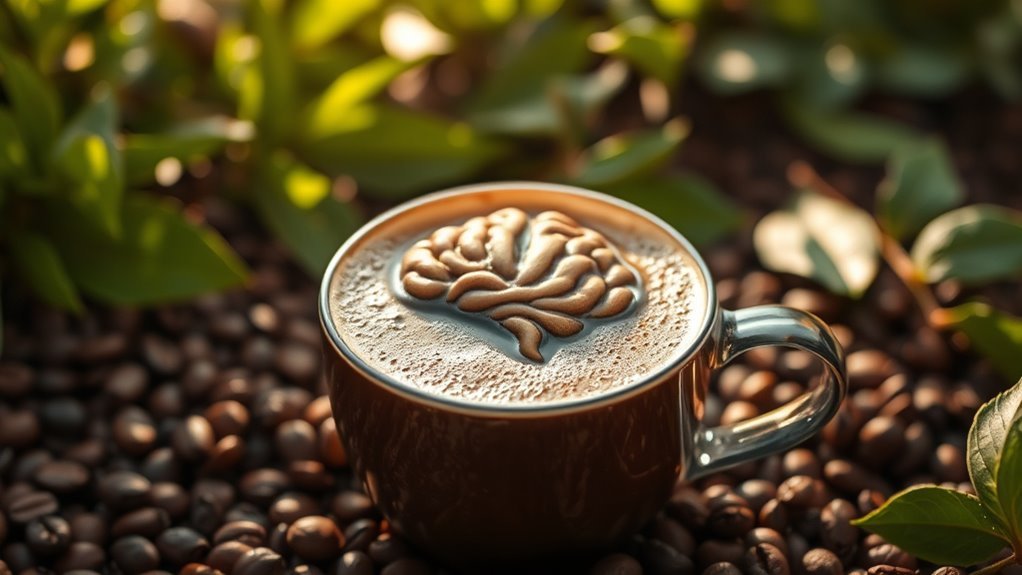
While you might enjoy that morning cup of coffee for its rich flavor, the benefits of caffeine extend beyond taste, greatly impacting brain function. Caffeine metabolism in your body occurs rapidly, making it a quick source of energy and alertness. Once consumed, caffeine blocks adenosine, a neurotransmitter that promotes sleep, thereby increasing dopamine and norepinephrine levels. This boost enhances your mood, focus, and overall cognitive performance. Studies show that caffeine can improve reaction times and attention span, allowing you to tackle tasks more efficiently. Additionally, its effects on neurotransmitters contribute to improved mental clarity. Understanding these mechanisms empowers you to harness caffeine’s potential for better brain health and cognitive freedom. So, enjoy your coffee, knowing it’s doing more than just waking you up!
Coffee’s Role in Enhancing Memory and Learning
As you sip your coffee, you might be surprised to learn that it’s not just a delightful pick-me-up; it also plays a significant role in enhancing memory and learning. Research shows that caffeine can improve memory retention by boosting the brain’s ability to encode and store information. This enhancement is particularly noticeable after a period of study or learning, as caffeine helps consolidate memories, making them easier to recall later. Additionally, coffee consumption has been linked to increased alertness and cognitive performance, further supporting effective learning. By including coffee in your routine, you’re not just enjoying a tasty beverage; you’re also giving your brain a powerful ally in the pursuit of knowledge and memory improvement.
The Connection Between Coffee and Focus

When you drink coffee, the caffeine boosts your cognitive function, helping you stay focused and alert. Studies show that it can enhance your attention span and improve mood, leading to clearer thinking. By understanding this connection, you can better harness coffee’s benefits for your daily tasks.
Caffeine and Cognitive Function
Caffeine plays an essential role in enhancing cognitive function, making it a popular choice for those looking to boost their focus and mental clarity. When you consume coffee, caffeine absorption occurs quickly, leading to increased alertness and improved reaction times. Research shows that caffeine stimulates neurotransmitters like dopamine and norepinephrine, contributing to cognitive enhancement. This stimulation can sharpen your thinking, helping you tackle tasks more efficiently. Furthermore, studies suggest that moderate coffee consumption may improve memory and learning capabilities, making it easier for you to retain information. By integrating coffee into your daily routine, you can experience these benefits and enjoy a greater sense of mental freedom, empowering you to perform at your best throughout the day.
Enhanced Attention Span
Although many factors influence attention span, coffee has been shown to play a significant role in enhancing focus. The caffeine effects in coffee stimulate the central nervous system, leading to increased alertness and improved attention. Studies indicate that caffeine consumption can result in attention improvement, allowing you to concentrate better on tasks. This boost in focus can be especially beneficial when you’re tackling demanding projects or studying for exams. Additionally, coffee can help reduce mental fatigue, making it easier to stay engaged for longer periods. By incorporating coffee into your routine, you’re not just enjoying a flavorful beverage, but also harnessing its potential to sharpen your focus and enhance your productivity throughout the day.
Mood and Mental Clarity
The link between coffee and mood is well-documented, with research showing that it can considerably enhance mental clarity and emotional well-being. When you engage in morning coffee rituals, you’re not just savoring a beverage; you’re also setting the stage for improved focus throughout your day. Caffeine timing plays a significant role here—consuming coffee during peak periods of alertness can maximize its benefits. Studies suggest that caffeine can elevate mood by increasing dopamine levels, making you feel more motivated and engaged. This boost in mental clarity can help you tackle tasks more efficiently, allowing for a greater sense of freedom and control over your day. So, embrace your coffee moments; they might just be the key to a clearer, more focused mind.
Neuroprotection: How Coffee May Guard Against Cognitive Decline

As you savor your morning cup of coffee, you might be unknowingly bolstering your brain’s defenses against cognitive decline. Research suggests that coffee’s neuroprotective mechanisms may help maintain cognitive resilience as you age. The caffeine and antioxidants present in coffee can promote the production of brain-derived neurotrophic factor (BDNF), a protein essential for neuron survival and growth. By enhancing BDNF levels, coffee may shield your brain from neurodegenerative diseases like Alzheimer’s and Parkinson’s. Additionally, regular coffee consumption has been linked to improved memory and overall cognitive function, making it a powerful ally in preserving mental sharpness. So, with each sip, you’re not just enjoying a delicious beverage; you’re potentially fortifying your brain for the long haul.
The Impact of Antioxidants in Coffee on Brain Health
While you enjoy your coffee, you might not realize that it’s packed with antioxidants, which play an important role in supporting brain health. These antioxidants work through various antioxidant mechanisms to combat oxidative stress, a key contributor to brain inflammation. By neutralizing free radicals, they help protect your brain cells from damage, promoting better cognitive function. Research suggests that regular coffee consumption may reduce markers of inflammation, keeping your brain in prime shape. So, each sip not only energizes you but also contributes to a healthier brain environment. Embracing coffee as part of your routine can be a simple yet effective way to harness these protective benefits and support your brain’s health. Enjoy your cup and its powerful contributions to your well-being!
Coffee Consumption and the Risk of Neurodegenerative Diseases

Given the growing body of research, coffee consumption has emerged as a potential factor in reducing the risk of neurodegenerative diseases such as Alzheimer’s and Parkinson’s. Studies suggest that the caffeine and antioxidants found in coffee may play a vital role in neurodegenerative prevention. By promoting brain health, these compounds help protect neuronal function and might reduce the buildup of toxic proteins associated with these diseases. Regular coffee drinkers often show a lower incidence of cognitive decline, reinforcing the coffee benefits linked to brain health. So, if you’re looking for ways to support your cognitive function, enjoying a cup of coffee could be a simple yet effective strategy. Embrace this delicious habit for potential long-term brain health benefits.
The Influence of Coffee on Mood and Mental Health
Research not only highlights coffee’s potential in reducing the risk of neurodegenerative diseases but also points to its positive effects on mood and mental health. Many people experience coffee cravings, which can be linked to the boost in dopamine levels that caffeine provides. This boost often leads to improved mood and increased alertness. On the flip side, caffeine withdrawal can lead to mood swings and irritability, highlighting the importance of moderation.
Here’s a quick look at how coffee impacts your well-being:
| Positive Effects | Potential Drawbacks |
|---|---|
| Elevates mood | Caffeine withdrawal effects |
| Enhances alertness | Possible anxiety |
| Increases focus | Disrupted sleep patterns |
| Boosts motivation | Dependence on caffeine |
Recommended Coffee Intake for Optimal Brain Benefits

Finding the right balance in coffee consumption can greatly enhance its benefits for brain health. Research suggests that an ideal dosage of 3 to 5 cups per day can provide significant cognitive advantages, such as improved memory and focus. However, it’s vital to take into account your individual tolerance; some people may experience jitteriness or anxiety with higher intakes. Starting at a lower amount and adjusting gradually can help you find that sweet spot. Remember, moderation is key—too much coffee can lead to negative side effects that outweigh its benefits. By tuning into your body’s signals, you can enjoy the neuroprotective effects of coffee while maintaining your well-being. So, find what works for you and savor those brain-boosting cups!
Other Factors to Consider: Genetics and Lifestyle
While coffee can offer significant benefits for brain health, your genetics and lifestyle also play crucial roles in how you respond to caffeine. Individual genetic predispositions can affect caffeine metabolism, influencing its neuroprotective effects. For instance, some people may experience heightened benefits, while others may feel jittery or anxious.
| Factor | Genetic Predisposition | Lifestyle Choices |
|---|---|---|
| Caffeine Sensitivity | Varies (slow vs. fast metabolizers) | Regular consumption habits |
| Neuroprotective Effects | Altered by specific genes | Diet, exercise, and sleep |
| Risk of Anxiety | Genetic markers present | Stress management techniques |
Understanding your unique combination of genetics and lifestyle choices empowers you to maximize coffee’s benefits responsibly.
Frequently Asked Questions
Can Decaffeinated Coffee Provide Similar Brain Health Benefits?
Yes, decaffeinated coffee can provide some brain health benefits, though they may not be as pronounced as those from regular coffee. It still contains antioxidants and compounds that support cognitive function. Research suggests that these decaffeinated benefits can contribute to reducing the risk of neurodegenerative diseases. So, if you prefer less caffeine, enjoying decaf may still support your brain health while allowing you to savor the rich flavors without the jitters.
What Time of Day Is Best to Consume Coffee for Brain Health?
Ah, the age-old dilemma of when to sip that magical elixir—coffee. If you think your brain’s a well-oiled machine, consider this: your morning routine might just be the key. Studies suggest that caffeine timing is essential; consuming coffee in the morning, ideally between 9:30 and 11:30 AM, maximizes its benefits. So, embrace that cup early! Your neurons will thank you, and you might even conquer the world—one caffeinated thought at a time.
Are There Specific Types of Coffee That Are Better for Brain Function?
When it comes to improving brain function, certain types of coffee can make a difference. Specialty blends, often sourced from single-origin beans, may offer unique flavor profiles and beneficial compounds. Additionally, brewing methods like pour-over or French press can enhance extraction, leading to a richer, more aromatic cup. Experimenting with these options might help you find what works best for your palate and cognitive needs, so don’t hesitate to explore!
How Does Coffee Interact With Common Medications Affecting Brain Health?
Imagine your brain as a bustling café, where coffee and medications share the same counter. When you sip coffee, its metabolism can alter how certain medications work, potentially speeding up or slowing down their effects. For instance, caffeine might enhance or hinder the action of antidepressants or stimulants. It’s essential to consult your healthcare provider about these interactions, ensuring you enjoy your coffee while safeguarding your brain’s harmony amidst the hustle!
What Are the Long-Term Effects of Excessive Coffee Consumption on the Brain?
Excessive coffee consumption can lead to increased caffeine tolerance, meaning you might need more to achieve the same effects. Over time, this can result in withdrawal symptoms like headaches, fatigue, and irritability when you cut back. Long-term high intake may also affect sleep quality and anxiety levels, impacting your overall brain health. It’s essential to be mindful of your coffee habits to maintain a balanced approach and avoid potential negative consequences.


